


Disposable Plastic Forks
Disposable plastic forks are plastic cutlery that can be used only once. They are usually made of plastic materials such as polypropylene (PP), which have high toughness and plasticity, and are heat-, cold-, and corrosion-resistant. Therefore, they are often used to make food packaging, disposable tableware, and other vitamin products. The main purpose of disposable plastic forks is simple and convenient one-time use, so their materials and ingredients are usually relatively simple and do not contain too many complex additives. They are designed and made in such a way that they are easy to carry and store, and can be conveniently discarded after use without the need for cleaning.
Advantages of Disposable Plastic Cutlery
Convenience
Disposable plastic forks offer unparalleled convenience, particularly in fast-paced environments such as fast-food restaurants, outdoor events, and take-out services. Their lightweight and portable nature make them easy to carry and use on the go, eliminating the need for washing and maintenance associated with reusable utensils.
Hygiene
Disposable plastic forks provide a hygienic solution for food consumption, especially in situations where maintaining high levels of cleanliness is crucial. Since they are used only once, there is no risk of cross-contamination, ensuring a sanitary eating experience for consumers.
Lightweight and Portable
Unlike reusable utensils that require water for cleaning after each use, disposable plastic forks eliminate the need for water consumption in the cleaning process. This can be particularly advantageous in regions facing water scarcity issues, as it helps conserve water resources.
Versatility
Disposable plastic forks are designed to be durable and sturdy, providing a reliable tool for eating various types of food. Their strength and rigidity make them suitable for a wide range of culinary applications, ensuring that they can effectively handle different dishes without breaking or bending.





24H online service
You can contact us to inquire about pre-sales, sales, and after-sales services, and we will give you a very satisfactoryWe are at your service online 24 hours a day.
High quality
Our products are manufactured or executed to very high standards, using the finest materials and manufacturing processes.
One-stop solution
With rich experience and one-to-one service,we can help you choose products and answer technical questions.
Rich experience
Dedicated to strict quality control and attentive customer service, our experienced staff is always available to discuss your requirements and ensure complete customer satisfaction.
Types of Disposable Plastic Forks

Clear plastic forks
Clear plastic forks are disposable utensils made from transparent or translucent plastic materials. These forks are designed for single-use convenience and are commonly used in various settings such as picnics, parties, takeout services, and fast-food establishments. The clear design provides a visually appealing and versatile option for serving food, allowing users to see the contents of the fork without compromising on functionality.
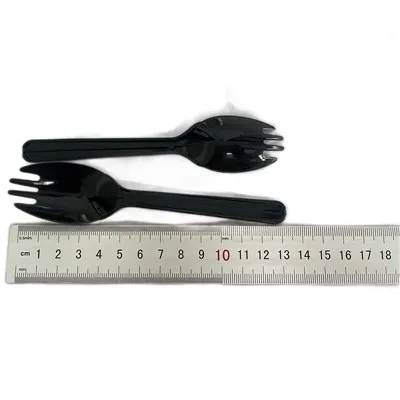
Grog cake fork
Grog cake fork is a specialized utensil designed for serving grog cake, a type of traditional dessert. Typically made of durable materials such as stainless steel or high-quality plastic, the grog cake fork features a unique design, often with a pointed tip and slightly curved tines, to facilitate easy cutting and serving of the dense and rich grog cake. This fork is tailored to enhance the dining experience when enjoying this specific dessert, providing an efficient and elegant means to savor each delectable bite of the grog cake.

Disposable fruit fork
Disposable fruit fork is a single-use utensil designed specifically for serving and enjoying fresh fruits. Typically made from lightweight and eco-friendly materials like bamboo or compostable plastics, these forks feature a compact and convenient design, making them ideal for picnics, parties, and other events where disposable utensils are preferred. The prongs of the fork are often designed to be delicate, allowing users to spear and pick up bite-sized pieces of various fruits.

Food plastic fork
Food plastic fork is a disposable utensil crafted from plastic materials and designed for single-use convenience when enjoying meals. These forks are commonly used in various settings, including takeout services, fast-food establishments, and casual dining events. With their lightweight and portable design, food plastic forks offer a practical solution for on-the-go eating, allowing users to easily enjoy a wide range of dishes.
How to Choose Disposable Plastic Forks
Material quality
Opt for forks made from sturdy, food-grade plastic to ensure they can handle various types of food without breaking.
Design and functionality
Evaluate the fork's design for comfort and functionality. Some may have reinforced tines or ergonomic handles for better usability.Choose a design that complements the type of food you'll be serving.
Packaging
Examine the packaging of the disposable plastic forks. Opt for minimal and eco-friendly packaging to reduce waste.
Consider bulk options to reduce individual packaging waste, especially for larger events or businesses.
Quantity and cost
Determine the quantity of forks needed and balance it with your budget. Bulk purchasing is often more cost-effective for larger events or businesses.Ensure that the cost aligns with your expectations of quality and durability.
Fast-food restaurants
Disposable plastic forks are frequently used in fast-food establishments where customers prefer quick and convenient dining solutions. They are provided alongside take-out orders for customers to easily consume their meals.
Take-out and food delivery services
Disposable plastic forks are essential for take-out and food delivery services. They are often included in the packaging to facilitate easy eating for customers who enjoy their meals at home or on the go.
Outdoor events and picnics
Disposable plastic forks are popular choices for outdoor events, picnics, and barbecues. Their lightweight and portable nature make them convenient for outdoor dining where carrying reusable utensils may not be practical.
Catering and events
Catering services frequently use disposable plastic forks for large-scale events such as weddings, parties, and conferences. The ease of disposal simplifies the cleanup process after serving meals to a large number of people.
Office lunches and workplaces
In office settings, disposable plastic forks are often provided in break rooms or during office lunches. They offer a quick and easy solution for employees who bring their lunches or order from nearby restaurants.
Schools and Institutions
Disposable plastic forks are commonly used in school cafeterias and other institutional settings where large numbers of people need access to utensils. They simplify the dining process and reduce the need for dishwashing.
Airline Catering
Disposable plastic forks are a staple in airline catering due to their lightweight nature and convenience. They are provided to passengers along with other disposable utensils for in-flight meals.
Material of Disposable Plastic Forks
Disposable plastic forks are typically made from polypropylene or polystyrene, both of which are thermoplastic polymers. Polypropylene, a widely used material in food packaging and disposable utensils, is known for its durability, heat resistance, and flexibility. It is chosen for its ability to withstand a range of temperatures, making it suitable for various types of foods. Polystyrene is another common material, valued for its lightweight nature and cost-effectiveness. It is molded into the desired fork shape with ease, providing a convenient and economical solution for single-use utensils.
Working Principle of Disposable Plastic Forks
The working principle of disposable plastic forks is straightforward and revolves around their design and material properties. These forks are crafted from thermoplastic polymers, commonly polypropylene or polystyrene. The manufacturing process involves molding the plastic material into the distinctive fork shape, incorporating features like tines and a handle. The forks are designed to be lightweight yet sturdy enough to effectively pierce and lift food. The user applies force to the handle, causing the tines to penetrate the food item, facilitating its consumption. The convenience of disposable plastic forks lies in their single-use nature, eliminating the need for cleaning and maintenance. Once used, these forks are discarded, contributing to the disposable and on-the-go dining culture.
Material selection
The process begins with the selection of appropriate thermoplastic polymers, commonly polypropylene or polystyrene. These materials are chosen for their durability, flexibility, and suitability for food contact.
Material preparation
The selected plastic resin is then prepared for the molding process. This involves melting the raw material to form a molten polymer that can be easily shaped into the desired fork structure.
Injection molding
The molten plastic is injected into molds designed specifically for disposable plastic forks. The molds consist of two halves that come together to form the complete fork shape. The injection molding process ensures precision and consistency in the final product.
Cooling and solidification
After injection, the molded plastic undergoes a cooling process to solidify and take on the desired form. Cooling is a critical step to ensure the forks maintain their structural integrity.
Removal from molds
Once the plastic has solidified, the molds are opened, and the newly formed forks are ejected. This process may involve automated machinery for efficiency and consistency.
Quality control
Quality control measures are implemented to ensure that the molded plastic forks meet specified standards. This may involve visual inspections, dimensional checks, and tests to verify the strength and integrity of the forks.
Trimming and finishing
Any excess or unwanted plastic, known as flashing, is trimmed from the forks. The final product may undergo additional finishing processes, such as smoothing edges or adding texture for improved grip.
How to Use the Disposable Plastic Forks
Unpackaging
If the disposable plastic forks are individually wrapped, start by unwrapping them from their packaging. If they come in a bulk quantity, you can simply retrieve them from the packaging.
Hold properly
Hold the disposable plastic fork by its handle. The handle is designed to provide a comfortable grip, making it easy to maneuver while eating.
Positioning
Position the fork above the food item you wish to eat. The tines, or prongs, should be facing downward, ready to pierce the food.
Piercing the food
Apply gentle pressure and pierce the food with the tines of the fork. The design of the fork allows it to effectively stab and lift various types of food.
Lifting and supporting
Lift the food using the fork, ensuring that it is securely held between the tines. The fork provides stability and support for the food during the transfer from the plate to your mouth.
Dispose of properly
After use, dispose of the disposable plastic fork in the designated waste bin. Since these forks are not meant for multiple uses, avoid attempting to wash or reuse them.
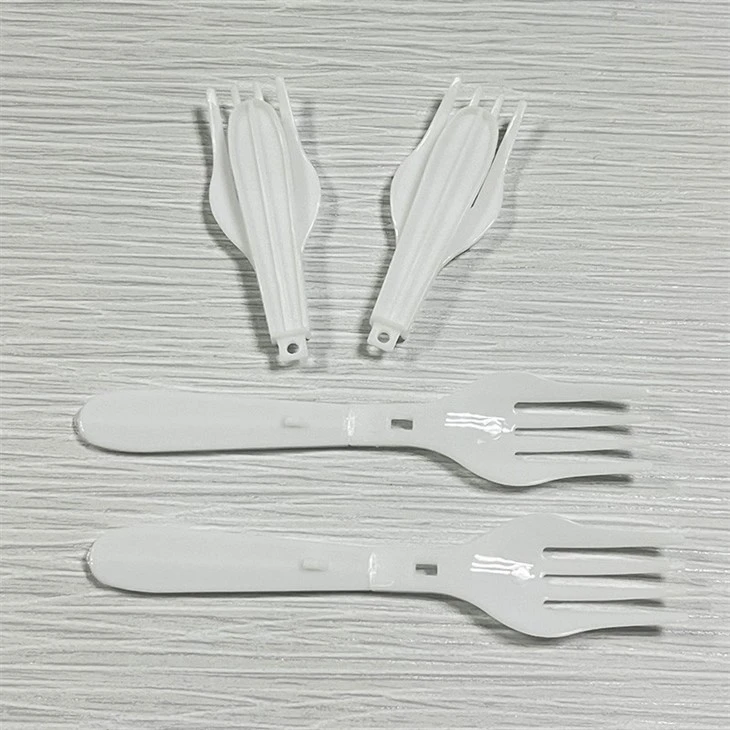
Material composition
Disposable plastic fork: Typically made from polypropylene or polystyrene, disposable plastic forks are designed for single-use purposes. These materials are chosen for their cost-effectiveness and ease of mass production.
Regular fork: In contrast, regular forks are often crafted from more durable and sustainable materials, such as stainless steel or other metals. This choice enhances their longevity and suitability for repeated use.
Intended use
Disposable plastic fork: Primarily designed for temporary use, these forks are convenient for situations where reusability is not feasible or practical, such as outdoor events, fast-food establishments, or take-out meals.
Regular fork: Designed for multiple uses, regular forks are a staple in households and restaurants. They are intended to withstand the wear and tear associated with daily meal consumption and can be easily cleaned for reuse.
Durability
Disposable plastic fork: Known for their lightweight and temporary nature, disposable plastic forks are not built to withstand extended use. They may break or bend more easily compared to their regular counterparts.
Regular fork: Characterized by sturdiness and durability, regular forks are crafted to endure repeated use. Their solid construction ensures that they can handle various types of foods without risk of breakage.
The lifespan of a typical disposable plastic fork is remarkably short, reflecting its intended purpose of single-use convenience. These forks are designed for a brief and singular utility, commonly serving during a meal or event before being discarded. Once used, disposable plastic forks typically find their way into waste streams, adding to the growing issue of plastic pollution. Due to their lightweight construction and reliance on materials like polypropylene or polystyrene, which are resistant to natural degradation processes, these forks persist in the environment for extended periods. The longevity of their impact becomes particularly evident in landfills, where the slow decomposition of plastic materials contributes to the accumulation of non-biodegradable waste.
Things to Note When Using Disposable Plastic Forks
Single-use only
Disposable plastic forks are designed for single use. Avoid attempting to wash and reuse them, as they may not withstand cleaning processes and could pose hygiene risks.
Heat limitations
Be mindful of the heat limitations of disposable plastic forks. Avoid using them with extremely hot foods, as excessive heat can cause the plastic to deform or melt, compromising the fork's integrity.
Avoid heavy pressure
Refrain from applying excessive pressure or force when using disposable plastic forks. While they are designed for normal eating conditions, undue pressure may cause them to break or bend.
Proper disposal
Dispose of used plastic forks in designated waste bins. Avoid littering or disposing of them improperly, as this contributes to environmental pollution.
Handling allergens
If you have known allergies, be cautious about the types of disposable plastic forks used, as some may contain allergens or residues that could cause adverse reactions.
Avoid cutting hard foods
Disposable plastic forks are not suitable for cutting through hard or tough foods. Avoid using them as makeshift knives, as this may result in breakage or damage to the fork.
Storage conditions
Store disposable plastic forks in a clean and dry environment. Exposure to moisture or contaminants could affect their quality. Keep them in their original packaging until ready for use.
Check for damage
Before using a disposable plastic fork, inspect it for any signs of damage or defects. If you notice cracks, deformities, or other issues, discard the fork and use a new one to ensure safety.
Polypropylene (PP)
This is a common plastic used in the production of disposable utensils. Polypropylene is known for its durability, heat resistance, and flexibility. It is often the primary material in the handle and tines of the fork.
Polystyrene (PS)
Another plastic commonly used in disposable utensils is polystyrene. It is often used for the production of the head or prongs of the fork. Polystyrene is lightweight and has good clarity, making it suitable for food contact applications.
Additives
Various additives may be included in the plastic formulation to enhance specific properties. For example, plasticizers can be added to improve flexibility, and stabilizers may be included to enhance the plastic's resistance to heat and light.
Colorants
Disposable plastic forks are often manufactured in different colors for visual appeal. Colorants, such as pigments or dyes, are added to the plastic resin to achieve the desired color.
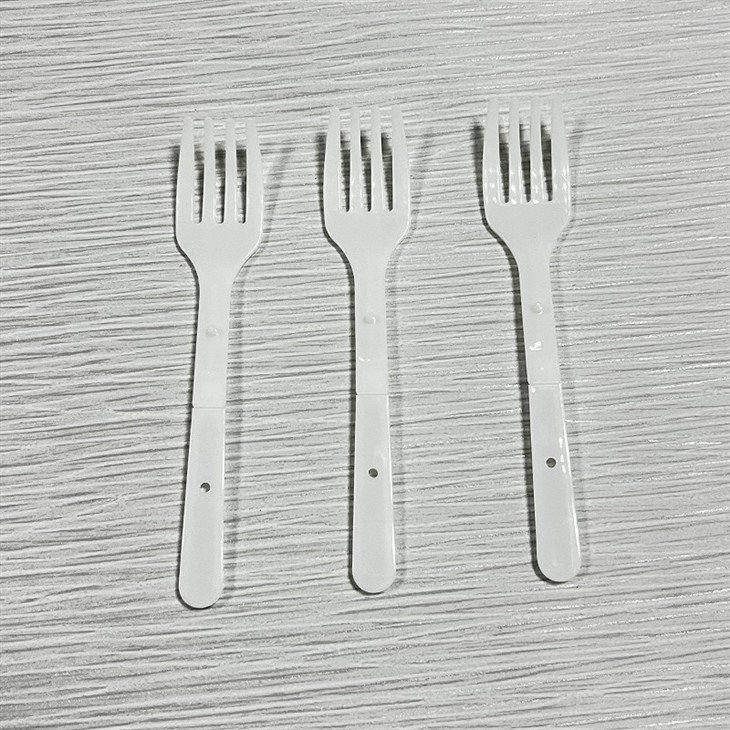
Disposable plastic forks have gained popularity for several reasons. Firstly, their widespread use is often driven by convenience and affordability. Disposable plastic forks are cost-effective to produce, making them a convenient choice for catering, takeout, and various events where large quantities of utensils are needed. Their lightweight nature and disposability also contribute to easy cleanup, saving time and effort compared to traditional reusable utensils.
Disposable plastic forks are popular due to their hygienic properties. Single-use utensils eliminate the need for washing and sanitizing, reducing the risk of cross-contamination and the spread of germs. This is particularly important in fast-paced environments such as restaurants, food stalls, and outdoor events, where quick and efficient service is prioritized.
Versatility of disposable plastic forks makes them suitable for a wide range of food types. Whether used for salads, pasta, or other dishes, these forks offer a practical and functional solution for diverse culinary needs. The convenience of not having to worry about carrying or returning utensils makes them appealing for on-the-go consumption.
How to Store Disposable Plastic Forks
Use Dispensers or holders
Utilize dispensers or holders specifically designed for disposable utensils. These can be placed on tables, countertops, or serving areas to keep forks organized and easily accessible.
Separate by type and size
If you have different types or sizes of disposable plastic forks, consider organizing them separately. This makes it easier for users to find the specific fork they need.
Keep in original packaging
If the disposable plastic forks come in sealed, sterile packaging, consider keeping them in their original packaging until ready for use. This helps protect the forks from dust, dirt, and potential contamination.
Store in a clean, dry place
Choose a clean and dry storage area to prevent moisture and dust from affecting the forks. Avoid storing them near potential sources of contamination, such as cleaning supplies or chemicals.
Avoid sunlight and heat
Exposure to direct sunlight and excessive heat can degrade plastic over time. Store disposable plastic forks away from windows and sources of heat to maintain their quality.
Consider bulk storage containers
For larger quantities of disposable plastic forks, use bulk storage containers. These containers should have lids to protect the forks and make it easy to transport them when needed.
Label or organize by expiry date
If the disposable plastic forks have an expiration date or are meant for one-time use, consider organizing them by expiry date. This ensures that older forks are used first, reducing waste.
Regularly check and rotate stock
Periodically check the stored disposable plastic forks for any signs of damage, contamination, or expiration. Rotate the stock to use older forks first and replenish as needed.
How to Maintain Disposable Plastic Forks
Single-use principle
Disposable plastic forks are designed for one-time use. Do not attempt to wash and reuse them, as the material may not withstand cleaning processes and could compromise hygiene.
Avoid excessive force
Use the forks with moderate force during meal consumption. Avoid applying excessive pressure, especially when dealing with hard or tough foods, as it may lead to breakage or bending.
Proper disposal
Dispose of used plastic forks responsibly in designated waste bins. Avoid littering or leaving them in inappropriate places, contributing to environmental pollution.
Check for damage
Before using a disposable plastic fork, inspect it for any signs of damage, such as cracks or deformities. If you notice any issues, discard the fork and use a new one to ensure safety.
Storage conditions
Store disposable plastic forks in a clean, dry environment. Exposure to moisture or contaminants could affect their quality. Keep them in their original packaging until ready for use to maintain cleanliness.
Avoid high temperatures
Be mindful of the heat limitations of disposable plastic forks. Avoid using them with extremely hot foods, as excessive heat can cause the plastic to deform or melt.
Certifications


FAQ
Q: What are disposable plastic forks made of?
Q: Why are disposable plastic forks popular?
Q: How long does it take for disposable plastic forks to decompose?
Q: What are disposable plastic tableware?
Q: Can plastic forks be reused?
Q: Are there alternatives to disposable plastic forks?
Q: What is PLA, and how is it different from traditional plastic?
Q: How many times can a plastic fork be used?
Q: What are disposable plastic forks made of?
Q: Does cooking taste better with plastic forks?
Q: How to disinfect plastic tableware?
Q: How do compostable forks break down, and where can I compost them?
Q: Can disposable plastic forks be incinerated?
Q: Can plastic tableware be put in the refrigerator?
Q: Can disposable plastic spoons be washed and stored?
Q: What innovations are being explored in disposable utensil materials?
Q: Do plastic forks melt?
Q: Can disposable plastic forks be used for hot foods?
Q: How to tell if plastic is food safe?
Q: What happens if you heat a fork in the microwave for 30 seconds?
As one of the most professional disposable plastic forks manufacturers and suppliers in China, we're featured by quality products and competitive price. Please rest assured to buy bulk discount disposable plastic forks from our factory. Contact us for pricelist.
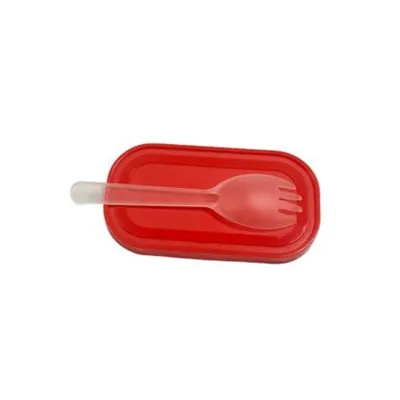
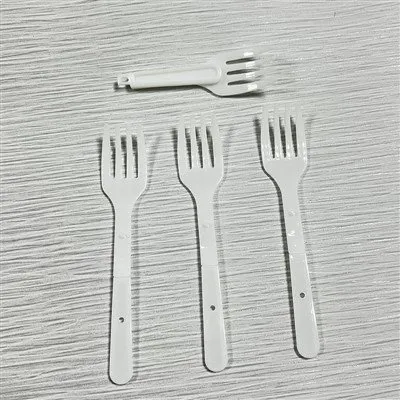
Half Fork and Half Spoon, Luncheon Meat Can Lid, White Plastic Fork