


Plastic Box
Plastic box is versatile and durable storage container typically made from various types of plastic materials such as polypropylene (PP) or polyethylene (PE). These boxes come in a range of shapes and sizes, featuring a lidded design to secure and protect the contents. Plastic boxes find extensive use in organizing and storing items in homes, offices, and industries due to their lightweight nature, resistance to moisture, and durability. They are commonly utilized for organizing household items, office supplies, or industrial components, providing a practical and efficient solution for storage needs. The transparent or colored options further enhance their functionality, allowing for easy identification of contents and adding a touch of organization to diverse settings.
Advantages of Plastic Box
Durability
Plastic boxes are known for their robust and durable construction. They can withstand impact, resist wear and tear, and maintain their structural integrity over time, making them a reliable long-term storage solution.
Versatility
Plastic boxes come in a variety of shapes and sizes, offering versatility in storage options. Whether for small items, bulk storage, or specific shapes, plastic boxes cater to diverse organizational needs in homes, offices, and industries.
Lightweight
One of the key advantages of plastic boxes is their lightweight nature. This makes them easy to handle, transport, and rearrange, providing convenience for users when organizing or moving stored items.
Moisture resistance
Plastic is inherently resistant to moisture, preventing the absorption of water and protecting the contents from damage. This feature is particularly beneficial when storing items that are sensitive to humidity or in damp environments.


24H online service
You can contact us to inquire about pre-sales, sales, and after-sales services, and we will give you a very satisfactoryWe are at your service online 24 hours a day.
High quality
Our products are manufactured or executed to very high standards, using the finest materials and manufacturing processes.
One-stop solution
With rich experience and one-to-one service,we can help you choose products and answer technical questions.
Rich experience
Dedicated to strict quality control and attentive customer service, our experienced staff is always available to discuss your requirements and ensure complete customer satisfaction.
Types of Plastic Box
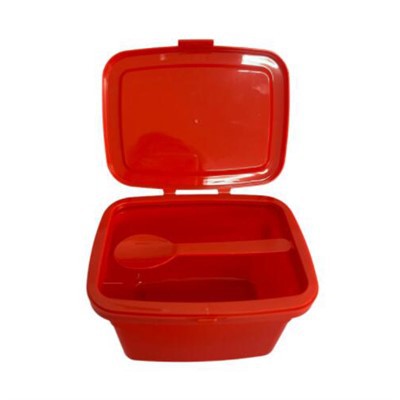
Food grade jam box
Food grade jam box is a specialized container designed for the safe and hygienic storage of jams and other food products. Crafted from materials that meet stringent food-grade standards, these boxes ensure that the stored items remain free from contamination and are safe for consumption. The use of approved materials in their construction highlights their suitability for direct contact with food, assuring consumers of the product's integrity. These boxes are an essential choice for preserving the quality and freshness of jams, aligning with regulatory requirements to uphold food safety standards in the packaging and storage of edible goods.

Spicy sauce box
Spicy sauce box is a dedicated container designed for the packaging and storage of spicy sauces. Typically made from materials that maintain the integrity of the sauce, these boxes are crafted to withstand the specific characteristics of spicy condiments. The packaging is designed to preserve the flavor, freshness, and potency of the spicy sauce, ensuring a quality and enjoyable culinary experience for consumers. These boxes often come with features that prevent leakage and maintain the product's quality throughout its shelf life.

Douban sauce box
Douban sauce box is a specialized container designed for the packaging and storage of Douban sauce. Douban sauce is a Chinese chili bean paste made from fermented broad beans, soybeans, and various spices. The box, crafted from materials that maintain the sauce's freshness and flavor, is tailored to accommodate the specific characteristics of Douban sauce. This packaging is designed to prevent leakage, preserve the pungent and savory qualities of the sauce, and ensure a convenient and hygienic experience for consumers when using this traditional Chinese condiment.

Plastic medicine box
Plastic medicine box is a container specifically designed for the organized storage and safekeeping of medicines and medical supplies. Crafted from durable and often transparent plastic materials, these boxes provide a secure and accessible way to store various medications, ensuring they are protected from environmental factors and remain easily identifiable. The design typically includes compartments or dividers to facilitate the systematic arrangement of different medications, allowing users to manage their health-related items efficiently.
How to Choose Plastic Box
Size and capacity
Assess the size of the items you plan to store in the plastic box. Choose a box with sufficient capacity to accommodate your belongings while ensuring it fits into the designated storage space.
Material quality
Evaluate the quality of the plastic material used in the box. Opt for high-quality, durable plastics that are resistant to wear and tear, ensuring longevity and protection for the stored items.
Transparency
Consider whether transparency is essential for your storage needs. Transparent plastic boxes allow easy visibility of the contents, facilitating quick identification without the need to open the box.
Lid and closure mechanism
Check the design and functionality of the lid or closure mechanism. Ensure it provides a secure seal to protect the contents from dust, moisture, or pests. Some boxes come with locking features for added security.
Stackability
If you plan to stack multiple boxes, choose ones with a design that allows for stable stacking. Stackable plastic boxes optimize storage space and contribute to a more organized environment.
Special features
Consider any special features that might enhance usability. Some plastic boxes come with dividers, adjustable compartments, or handles for easier transportation. Choose features that align with your specific organizational needs.
Home storage and organization
Plastic boxes are widely used in homes for organizing and storing items such as clothes, accessories, toys, and kitchen supplies. Transparent plastic boxes are particularly popular for easy identification of contents in closets, under beds, or in storage rooms.
Office and workplace
In office settings, plastic boxes serve as efficient storage solutions for documents, stationery, and office supplies. Stackable plastic boxes contribute to maintaining a tidy workspace, especially in storage closets and filing rooms.
Medical and healthcare
Plastic medicine boxes are essential in healthcare settings for organizing and storing medications. They help maintain a hygienic environment and ensure easy access to different medicines, particularly in hospitals, clinics, and pharmacies.
Industrial storage
Industries rely on heavy-duty plastic boxes for storing and transporting components, tools, and equipment. These boxes are designed to withstand rugged conditions and are often used in warehouses, manufacturing facilities, and distribution centers.
Food storage and catering
Plastic boxes with secure lids are commonly used in the food industry for storing and transporting ingredients or prepared meals. These boxes are easy to clean, ensuring food safety, and are utilized in commercial kitchens, catering services, and food storage facilities.
Automotive and garage storage
Plastic boxes provide an excellent solution for organizing tools, spare parts, and accessories in garages or automotive workshops. They are resistant to oils and chemicals, making them suitable for the storage of automotive components.
Material of Plastic Box
Plastic boxes are manufactured from a variety of plastic materials, each chosen for its specific characteristics and suitability for diverse applications. Commonly used plastics for box production include polypropylene (PP), polyethylene (PE), polyvinyl chloride (PVC), and polycarbonate. Polypropylene is renowned for its durability, chemical resistance, and lightweight properties, making it ideal for heavy-duty storage boxes. Polyethylene, available in high-density (HDPE) and low-density (LDPE) forms, offers flexibility, impact resistance, and is often used for food-grade containers. PVC, known for its rigidity, transparency, and resistance to chemicals, finds application in transparent plastic boxes. Polycarbonate, valued for its strength and clarity, is used in manufacturing durable and impact-resistant boxes. The selection of the plastic material depends on the intended use, ensuring that the plastic box meets specific requirements such as durability, transparency, chemical resistance, and overall functionality.
Working Principle of Plastic Box
The working principle of a plastic box lies in its structural design and the properties of the plastic material used in its construction. Plastic boxes are engineered to provide a versatile and durable solution for storage and organization. The design incorporates features such as a container body, lids, and sometimes compartments or dividers depending on the intended use. The plastic material, whether it be polypropylene, polyethylene, PVC, or other variants, is chosen for its specific attributes such as durability, flexibility, transparency, and resistance to environmental factors.The working principle involves creating a secure and enclosed space for storing various items, ensuring protection from dust, moisture, and damage. The lids or closures play a crucial role in maintaining the integrity of the contents, providing a seal to safeguard against external elements. Stackable designs optimize storage space, making them efficient for various settings.

Material selection
The process begins with the careful selection of the plastic material based on the desired characteristics of the final product. Common plastics used include polypropylene (PP), polyethylene (PE), polyvinyl chloride (PVC), and polycarbonate.
Extrusion or injection molding
For many plastic boxes, the chosen material undergoes either extrusion or injection molding. In extrusion, plastic pellets are melted and formed into a continuous profile, which is then cut into specific lengths for the box components. In injection molding, melted plastic is injected into a mold cavity, creating the desired box shape.
Mold design and creation
The mold design is a critical aspect of the manufacturing process. It determines the final shape, size, and features of the plastic box. Precision molds are created, usually made from steel or aluminum, and are designed to withstand the pressures and temperatures involved in molding.
Cooling and solidification
After the plastic material is molded into the desired shape, it undergoes a cooling process to solidify and take on its final form. The rate of cooling is carefully controlled to ensure uniformity and structural integrity.
Finishing and assembly
Once the plastic components have cooled and solidified, any excess material, known as flash, is trimmed or removed. Additional finishing processes, such as polishing or surface treatments, may be applied to enhance the appearance. Multiple components are then assembled, including lids, hinges, or any other specific features.
Quality control and testing
Rigorous quality control measures are implemented throughout the manufacturing process. Finished plastic boxes undergo testing for structural integrity, dimensions, and functionality. This ensures that the final products meet the required standards and specifications.
Working principle of disposable plastic cutlery lies in its design and manufacturing process, which emphasizes convenience, cost-effectiveness, and single-use functionality. These utensils are typically produced through injection molding, a process where molten plastic is injected into molds to form the desired shape. The design incorporates features such as handles, tines, and blades suitable for cutting, scooping, or spearing food. The lightweight nature of disposable plastic cutlery ensures ease of use and transport. Upon completion of their intended purpose, these utensils are discarded, emphasizing a one-time use concept that eliminates the need for cleaning and maintenance. The materials chosen for disposable plastic cutlery, such as polystyrene or polypropylene, contribute to their affordability and widespread availability.
The Manufacturing Process of Disposable Plastic Cutlery
Check components
Before assembly, ensure that all components of the plastic box are present and in good condition. Check for any included instructions or diagrams provided.
Identify interlocking parts
If the plastic box features interlocking or modular parts, identify how these components fit together. Some boxes have tabs, grooves, or locking mechanisms that need to be aligned for proper assembly.
Align and connect
Place the components on a flat and stable surface. Align the corresponding parts according to the instructions. For interlocking parts, press or snap them together firmly. Follow any directional arrows or indicators to ensure proper alignment.
Secure fasteners
If the plastic box uses screws, bolts, or other fasteners, follow the provided instructions to secure these components. Use the appropriate tools, such as a screwdriver or wrench, and ensure that fasteners are tightened securely without over-tightening.
Attach lids or covers
If the plastic box includes a lid or cover, place it over the assembled base. Ensure that any hinges, locks, or latches are properly engaged. Some lids may simply snap into place, while others may require additional securing mechanisms.
Test functionality
Once assembled, test the functionality of the plastic box. Check if the lid opens and closes smoothly, and ensure that any locking mechanisms work as intended. If the box has multiple components, test how they interact with each other.
Things to Note When Using Plastic Box
Weight capacity
Overloading a plastic box beyond its recommended capacity may compromise its structural integrity, leading to breakage or deformation. Distribute weight evenly to avoid undue stress on specific areas.
Environmental conditions
Consider the environmental conditions in which the plastic box will be used. Some plastics may become brittle or degrade under prolonged exposure to sunlight or extreme temperatures. If possible, store plastic boxes in a cool, dry place away from direct sunlight to prolong their lifespan.
Cleaning and maintenance
Regularly clean plastic boxes to prevent the accumulation of dust, dirt, or mold. Use mild cleaning agents and avoid abrasive materials that could scratch the surface. Follow any specific cleaning instructions provided.
Compatibility with contents
Ensure that the plastic box is compatible with the contents you plan to store. Some plastics may react with certain chemicals or materials, affecting both the box and its contents. Choose boxes labeled as food-safe for storing edible items and consider specialized containers for chemicals.
Stacking and Storage
If the plastic boxes are designed to be stacked, follow stacking guidelines provided . Avoid stacking boxes beyond the recommended height to prevent instability. Store boxes on stable and level surfaces to prevent tipping or falling.
Avoid sharp objects
Be cautious when placing sharp or pointed objects inside plastic boxes, as they may cause punctures or scratches. Use padding or protective materials for items with sharp edges to prevent damage to the box and ensure the safety of its contents.
Handling with care
Handle plastic boxes with care, especially when transporting or moving them. Avoid dropping or dragging the boxes, as this can lead to cracks or breakage. If the box has handles, use them for lifting rather than relying solely on the sides.
Check Lids and closures
Regularly inspect the lids, closures, and locking mechanisms to ensure they are functioning correctly. If a box has a secure closure, make sure it is engaged to maintain a sealed environment. Replace any damaged or worn-out components promptly.

Can Plastic Boxes Be Used for Outdoor Storage
Plastic boxes are a versatile and popular choice for outdoor storage due to their durability and resistance to various environmental elements. Designed to withstand exposure to sunlight, rain, and temperature fluctuations, these boxes provide an effective solution for safeguarding belongings in an outdoor setting. Whether used for storing gardening tools, cushions, or other outdoor accessories, plastic boxes offer a protective barrier against moisture, preventing items from becoming damaged or deteriorating. Many outdoor-specific plastic boxes come equipped with secure lids and closures, ensuring that contents remain safe from rain and dust. Additionally, the UV-resistant properties of certain plastics contribute to color stability, preventing fading or discoloration over time. This makes plastic boxes a reliable and low-maintenance choice for those seeking efficient and weather-resistant outdoor storage solutions.

How Do Environmental Conditions Affect the Longevity of Plastic Boxes
The longevity of plastic boxes is significantly influenced by environmental conditions, as the materials used in their construction may react differently to various elements. Exposure to sunlight, particularly ultraviolet (UV) radiation, can lead to the degradation of certain plastics, causing them to become brittle and lose their structural integrity over time. Extreme temperatures, both hot and cold, may also impact the flexibility and durability of plastic, potentially resulting in warping or cracking. Harsh weather conditions, such as rain and humidity, can contribute to the development of mold or mildew inside the boxes, affecting both the container and its contents. To prolong the life of plastic boxes, it is advisable to store them in a cool, dry place away from direct sunlight and to choose boxes specifically designed for outdoor use, featuring UV-resistant properties and weatherproof seals. Regular maintenance, such as cleaning and inspecting for damage, is crucial in preserving the longevity of plastic boxes in diverse environmental settings.

How Should One Store Plastic Boxes When They Are Not in Use for an Extended Period
When storing plastic boxes for an extended period of non-use, it's essential to take certain precautions to maintain their quality and functionality. First and foremost, choose a suitable storage location that is cool, dry, and away from direct sunlight to prevent potential damage from temperature fluctuations and UV rays. Ensure that the storage area is well-ventilated to prevent the buildup of moisture, which could lead to mold or mildew. Clean the plastic boxes thoroughly before storage to remove any dirt or residues, allowing them to air dry completely to prevent unpleasant odors. If the plastic boxes are stackable, consider disassembling them to reduce pressure on interlocking parts. Covering the boxes with a breathable fabric or using protective storage bags can shield them from dust and scratches. Labeling the boxes with their contents aids in quick identification when needed. Following these practices ensures that plastic boxes remain in optimal condition during extended periods of non-use, ready for future use without deterioration.

How Do You Differentiate Between High-Quality and Low-Quality Plastic Boxes
Distinguishing between high-quality and low-quality plastic boxes involves a careful assessment of various factors pertaining to their construction, materials, and overall design. High-quality plastic boxes are characterized by durable materials, often featuring reinforced corners and thicker walls that contribute to increased sturdiness and longevity. The construction of high-quality boxes showcases precision, with well-aligned seams and attention to detail in craftsmanship. These boxes typically employ secure closure mechanisms, such as robust latches or locking systems, ensuring a tight seal and reliable containment. Additionally, high-quality plastic boxes are designed to withstand wear and tear, maintaining structural integrity even with frequent use and exposure to environmental elements. They often offer stackability features for efficient space utilization and may incorporate resistance to factors like UV radiation, temperature extremes, and impact damage. In contrast, low-quality boxes may exhibit signs of thin and brittle materials, poorly constructed joints, unreliable closures, and a lack of durability, making them prone to premature wear and deformation.
Regular cleaning
Clean plastic boxes regularly to prevent the accumulation of dust, dirt, or stains. Use a mild soap or detergent mixed with water to wipe down the interior and exterior surfaces. Avoid using abrasive materials that could scratch the plastic.
Avoid harsh chemicals
Refrain from using harsh chemicals or solvents for cleaning, as they may degrade the plastic material. Stick to mild cleaning solutions to preserve the integrity and appearance of the plastic.
Thorough drying
After cleaning, ensure that the plastic boxes are thoroughly dried before storing items inside. Moisture can lead to mold growth and unpleasant odors. Allow the boxes to air dry or use a clean, dry cloth.
Inspect for damage
Regularly inspect the plastic boxes for any signs of damage, such as cracks, warping, or weakened areas. Address any issues promptly by either repairing or replacing damaged boxes to prevent further deterioration.
Check Lids and closures
Inspect the lids, closures, and locking mechanisms regularly to ensure they are in good working condition. Make sure that the closures engage securely to maintain a sealed environment. Replace any damaged or worn-out components.
Avoid overloading
Adhere to the weight capacity recommendations provided by the manufacturer. Avoid overloading plastic boxes, as excessive weight can lead to deformation or breakage. Distribute weight evenly when storing items to prevent stress on specific areas.
Storage in suitable conditions
Store plastic boxes in suitable environmental conditions. Avoid prolonged exposure to direct sunlight, extreme temperatures, or harsh weather conditions, as these factors can impact the durability and appearance of the plastic.
Remove contents before cleaning
When conducting a deep clean, remove all contents from the plastic boxes. This allows for a thorough cleaning of both the box and its contents. Clean and sanitize items before placing them back into the box.
Organize contents
Organize the contents of the plastic boxes to prevent overcrowding and facilitate easy access. Consider using dividers or containers within the box to further compartmentalize and organize items.
Certifications


FAQ
Q: What are the common uses of plastic boxes?
Q: Can plastic boxes be used for outdoor storage?
Q: How do environmental conditions affect the longevity of plastic boxes?
Q: What materials are commonly used in the production of plastic boxes?
Q: How should one clean plastic boxes?
Q: What weight can plastic boxes typically withstand?
Q: Can plastic boxes be stacked?
Q: How do you repair a cracked plastic box?
Q: Are there specific plastic boxes for food storage?
Q: What role does ventilation play in plastic boxes?
Q: How do you choose the right size of a plastic box for a specific purpose?
Q: Can plastic boxes be used for transporting fragile items?
Q: What precautions should be taken when using plastic boxes for outdoor storage?
Q: Are there innovations in plastic box design in recent years?
Q: How should one store plastic boxes when not in use for an extended period?
Q: How do you prevent mold growth in plastic boxes?
Q: Are there specific cleaning instructions for different types of plastic boxes?
Q: Can plastic boxes be used for storing documents?
Q: How do you differentiate between high-quality and low-quality plastic boxes?
Q: What impact does exposure to UV radiation have on the color stability of plastic boxes?
Q: What is a plastic container?
As one of the most professional plastic box manufacturers and suppliers in China, we're featured by quality products and competitive price. Please rest assured to buy bulk discount plastic box from our factory. Contact us for pricelist.
Mini Sealed Storage Box, Disposable Plastic Spoon, Canned Fruit Lids