


Disposable Plastic Cutlery
Disposable plastic cutlery refers to single-use utensils made from plastic materials that are designed to be discarded after a single use. Comprising items such as forks, knives, and spoons, as well as other serving utensils, disposable plastic cutlery is commonly used in various settings, including fast-food restaurants, takeout establishments, and catering events. While offering convenience, affordability, and portability, the environmental impact of these items, particularly in terms of plastic pollution, has raised concerns, leading to increased efforts to explore sustainable alternatives and promote responsible disposal practices.
Advantages of Disposable Plastic Cutlery
Convenience
Disposable plastic cutlery provides a convenient solution for a range of settings, including catering services, takeaway food, and outdoor events. It requires no washing or cleaning after use, which saves time and effort.
Hygiene
Since it is intended for one-time use, disposable plastic cutlery reduces the risk of cross-contamination and the spread of bacteria or pathogens. It eliminates the need for shared utensils, which can harbor germs and cause illnesses.
Lightweight and Portable
Disposable plastic cutlery is typically lightweight and compact, making it easy to carry around. It does not take up much space and can be conveniently packed with meals for on-the-go consumption or transported to different locations.
Versatility
Disposable plastic cutlery is available in various sizes and designs, allowing it to accommodate different food types and eating preferences.





24H online service
You can contact us to inquire about pre-sales, sales, and after-sales services, and we will give you a very satisfactoryWe are at your service online 24 hours a day.
High quality
Our products are manufactured or executed to very high standards, using the finest materials and manufacturing processes.
One-stop solution
With rich experience and one-to-one service,we can help you choose products and answer technical questions.
Rich experience
Dedicated to strict quality control and attentive customer service, our experienced staff is always available to discuss your requirements and ensure complete customer satisfaction.
Types of Disposable Plastic Cutlery

Clear plastic forks
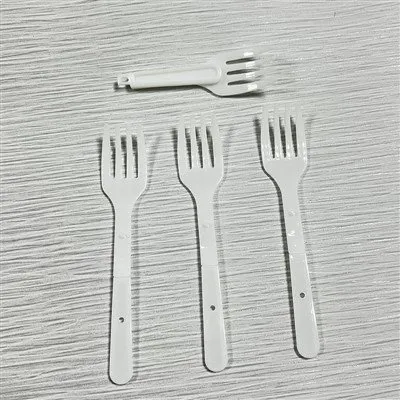
Clear plastic forks are disposable utensils made from transparent or translucent plastic materials. These forks are designed for single-use convenience and are commonly used in various settings such as picnics, parties, takeout services, and fast-food establishments. The clear design provides a visually appealing and versatile option for serving food, allowing users to see the contents of the fork without compromising on functionality.
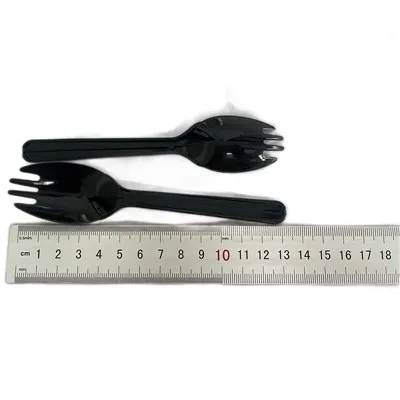
Grog cake fork
Grog cake fork is a specialized utensil designed for serving grog cake, a type of traditional dessert. Typically made of durable materials such as stainless steel or high-quality plastic, the grog cake fork features a unique design, often with a pointed tip and slightly curved tines, to facilitate easy cutting and serving of the dense and rich grog cake. This fork is tailored to enhance the dining experience when enjoying this specific dessert, providing an efficient and elegant means to savor each delectable bite of the grog cake.

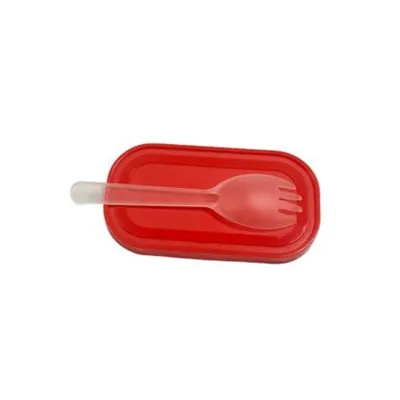
Disposable fruit fork
Disposable fruit fork is a single-use utensil designed specifically for serving and enjoying fresh fruits. Typically made from lightweight and eco-friendly materials like bamboo or compostable plastics, these forks feature a compact and convenient design, making them ideal for picnics, parties, and other events where disposable utensils are preferred. The prongs of the fork are often designed to be delicate, allowing users to spear and pick up bite-sized pieces of various fruits.

Food plastic fork
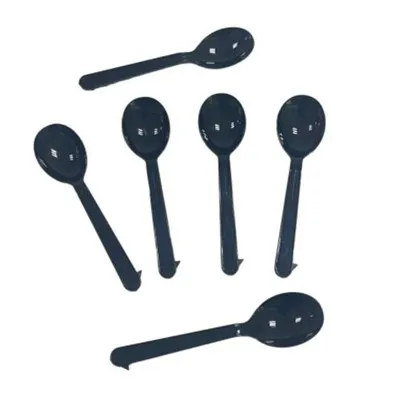
Food plastic fork is a disposable utensil crafted from plastic materials and designed for single-use convenience when enjoying meals. These forks are commonly used in various settings, including takeout services, fast-food establishments, and casual dining events. With their lightweight and portable design, food plastic forks offer a practical solution for on-the-go eating, allowing users to easily enjoy a wide range of dishes.
How to Choose Disposable Plastic Cutlery
Material selection
Consider the material used in the disposable plastic cutlery. Options include traditional plastic, biodegradable plastics, or alternative materials like bamboo. Choose materials based on your priorities, whether it be durability, environmental impact, or specific use cases.
Purpose and use
Determine the intended purpose and use of the cutlery. Different occasions may require different types of utensils, such as forks, knives, and spoons. Ensure that the chosen cutlery is suitable for the types of food and the dining experience you have in mind.
Eco-friendly options
Biodegradable or compostable plastic cutlery, as well as utensils made from renewable resources like bamboo or cornstarch, can be more environmentally conscious choices.
Quality and durability
Assess the quality and durability of the disposable plastic cutlery. High-quality options are less likely to break or bend during use, providing a more reliable and enjoyable dining experience. Consider the thickness and sturdiness of the utensils.
Design and aesthetics
Consider the design and aesthetics of the disposable cutlery. Some occasions may call for a more elegant or stylish appearance, while others may prioritize simplicity and functionality. Choose cutlery that complements the overall presentation of the dining setting.
Packaging and quantity
Evaluate the packaging and quantity options available. Consider whether the cutlery comes in individual sets, bulk packaging, or assortments. Choose a quantity that matches the number of guests or servings, and opt for packaging that is convenient for storage and distribution.
Fast-food and takeout services
disposable plastic cutlery is widely used in fast-food restaurants and takeout services, providing customers with convenient utensils for enjoying their meals on the go.
Picnics and outdoor events
Disposable plastic cutlery is popular for picnics, barbecues, and outdoor events where the lightweight and portable nature of these utensils make them easy to transport and dispose of after use.
Catering and events
Large-scale events, such as weddings, parties, and corporate gatherings, often utilize disposable plastic cutlery for catering purposes. The ease of disposal simplifies cleanup for event organizers.
Schools and institutions
Schools, colleges, and other institutions often use disposable plastic cutlery in cafeterias and dining areas to streamline food service and minimize the need for washing traditional utensils.
Airline catering
Disposable plastic cutlery is commonly employed in airline catering to provide passengers with utensils for in-flight meals. The lightweight nature of plastic cutlery contributes to fuel efficiency.
Hospitals and healthcare facilities
Healthcare facilities often use disposable plastic cutlery for patient meals, where hygiene and convenience are crucial. Single-use utensils help reduce the risk of cross-contamination.
Food trucks and street vendors
Food trucks and street vendors frequently rely on disposable plastic cutlery to serve customers quickly and efficiently. The convenience of disposable utensils aligns with the fast-paced nature of street food service.

Polypropylene (PP)
Polypropylene is another widely used material for disposable plastic utensils. It is known for its flexibility, durability, and heat resistance. PP is recyclable, but recycling rates for disposable cutlery can be low due to contamination issues.
Polyethylene (PE)
Polyethylene is often used in the production of disposable plastic cutlery. It is a versatile plastic that can be found in various forms, including low-density polyethylene (LDPE) and high-density polyethylene (HDPE).
Biodegradable Plastics
Some disposable plastic cutlery is made from biodegradable materials, such as bio-based plastics or blends of traditional plastics with additives that enhance biodegradability. These materials are designed to break down more easily in certain environments.
Compostable Plastics
Compostable plastics are derived from renewable resources like cornstarch or sugarcane. They are designed to break down under specific composting conditions. It's important to note that compostable plastics may require specific composting facilities for effective decomposition.
Polyethylene Terephthalate (PET)
PET is commonly used in the production of disposable plastic cutlery, particularly for items like plastic cups and containers. It is lightweight, transparent, and has good barrier properties.
Recycled Plastics
Some manufacturers use recycled plastics to produce disposable utensils, contributing to the recycling loop and reducing the demand for virgin materials. However, the availability of recycled plastic cutlery may vary.
Working principle of disposable plastic cutlery lies in its design and manufacturing process, which emphasizes convenience, cost-effectiveness, and single-use functionality. These utensils are typically produced through injection molding, a process where molten plastic is injected into molds to form the desired shape. The design incorporates features such as handles, tines, and blades suitable for cutting, scooping, or spearing food. The lightweight nature of disposable plastic cutlery ensures ease of use and transport. Upon completion of their intended purpose, these utensils are discarded, emphasizing a one-time use concept that eliminates the need for cleaning and maintenance. The materials chosen for disposable plastic cutlery, such as polystyrene or polypropylene, contribute to their affordability and widespread availability.
The Manufacturing Process of Disposable Plastic Cutlery
Material selection
The process begins with the selection of suitable plastic materials. Common choices include polystyrene (PS), polypropylene (PP), or other types of plastics. The selected material should meet food-grade standards and be suitable for the intended application.
Material preparation
The chosen plastic material is prepared in the form of pellets or granules. These are fed into the hopper of the injection molding machine.
Injection molding setup
The injection molding machine is set up and calibrated based on the specific requirements of the disposable plastic cutlery design. This includes adjusting temperature, pressure, and injection speed settings.
Mold design and creation
The mold, designed to shape the cutlery, is created. It typically consists of two halves that come together during the molding process. The mold includes cavities for each piece of cutlery, detailing features like handles, blades, and tines.
Injection molding
The plastic material is melted and injected into the mold cavity under high pressure. The molten plastic takes the shape of the mold, forming the desired cutlery pieces.
Cooling and solidification
After injection, the mold is cooled to allow the plastic to solidify and take on the molded shape. The cooling process is crucial for maintaining the structural integrity of the cutlery.
Mold opening
Once the plastic has solidified, the mold is opened, revealing the newly formed disposable plastic cutlery. The cutlery pieces remain attached to a runner, a thin piece of plastic that connects them.
Ejection
Automated ejector pins or other mechanisms release the disposable plastic cutlery from the mold. The runner, which is not part of the final product, is then separated from the cutlery pieces.
Trimming and finishing
Any excess plastic, known as flash, is trimmed off from the cutlery pieces. The finished pieces may undergo additional finishing processes, such as smoothing edges or adding specific features.
Quality control
The manufactured disposable plastic cutlery undergoes quality control checks to ensure dimensional accuracy, visual appearance, and functionality. Random samples may be subjected to stress or impact tests for durability.
Packaging
The finalized disposable plastic cutlery is packaged for distribution. Packaging considerations include protecting the cutlery during transportation and storage, as well as ensuring cleanliness and hygiene.
Single-use intention
Disposable plastic cutlery is designed for single-use only. Reusing these items can lead to hygiene issues and compromise their structural integrity.
Food compatibility
Consider the type of food being served and choose cutlery that is suitable for the intended purpose. For example, knives may be necessary for cutting while spoons are ideal for soups or desserts.
Heat resistance
Be cautious when using disposable plastic cutlery with hot foods or beverages. Some plastics may not withstand high temperatures, leading to deformation or melting.
Proper disposal
Dispose of used plastic cutlery responsibly. If recycling facilities are available, check local guidelines for plastic recycling. If using biodegradable or compostable options, ensure proper disposal in designated compost bins.
Children and supervision
Supervise children when using plastic cutlery, especially with sharp items like knives. Choose child-friendly utensils that reduce the risk of injuries.
Quality and durability
Prioritize high-quality disposable plastic cutlery to ensure it can effectively perform its intended function without breaking or causing inconvenience during use.
Storage conditions
Store disposable plastic cutlery in a clean and dry environment to prevent contamination. Avoid exposing the cutlery to direct sunlight or extreme temperatures.
Separation and sorting
Begin by separating disposable plastic cutlery from other waste. If the cutlery consists of multiple components (e.g., lids and containers), separate them for proper sorting.
Rinse and clean
Rinse or clean the used cutlery to remove any food residues. Clean items have a higher chance of being accepted by recycling facilities.
Check for recycling symbols
Examine the cutlery for recycling symbols, typically found on the bottom or packaging. These symbols contain a number inside, indicating the type of plastic.
Separate components
If the disposable plastic cutlery has multiple components (forks, knives, spoons), separate them for more efficient recycling. Some facilities may have guidelines on how to sort these items.
Remove non-plastic parts
If the disposable cutlery has non-plastic components (e.g., metal blades), remove them before recycling, as they may interfere with the recycling process.
Avoid contamination
Ensure that the cutlery is free from contaminants. Contaminated items, such as those with food residues, may not be accepted by recycling facilities.

Can Disposable Plastic Cutlery Be Composted
Disposable plastic cutlery poses challenges when it comes to composting. Traditional disposable plastic cutlery is typically made from materials like polypropylene (PP) or polystyrene (PS), which do not readily break down in composting systems. These plastics are not designed to biodegrade or compost in the same way as organic materials.
However, there are alternative options available in the form of compostable plastic cutlery. Compostable plastics are made from bio-based materials like cornstarch or PLA (polylactic acid) and are designed to break down under specific composting conditions. These conditions include the right combination of heat, moisture, and microorganisms present in industrial composting facilities.
It's important to note that compostable plastics may not break down effectively in home compost bins or regular landfill conditions. They often require the controlled environment of industrial composting facilities to achieve proper decomposition.
How Does the Size of Disposable Plastic Cutlery Vary
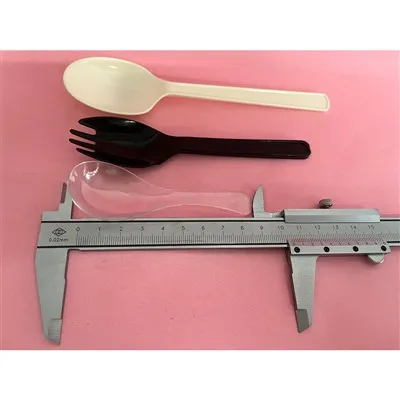
The size of disposable plastic cutlery varies based on the specific utensil type and its intended use. Standard disposable plastic cutlery includes forks, knives, and spoons, each designed in various sizes to accommodate different dining needs. Forks typically range in size from smaller cocktail or dessert forks to larger dinner forks. Similarly, knives are available in varying lengths, with smaller options for spreading and larger ones for cutting. Spoons come in different sizes as well, ranging from teaspoons to tablespoons, and may include variations like soup spoons. The sizes of disposable plastic cutlery are often standardized to mimic traditional utensils, ensuring they are suitable for a wide range of culinary applications. The packaging of disposable plastic cutlery may offer various quantities, allowing consumers to select the size and quantity that best suits their specific requirements, whether for personal use, events, or foodservice establishments.
How Does the Quality of Disposable Plastic Cutlery Affect Its Performance
Firstly, the durability of the plastic material influences the cutlery's ability to withstand the stresses of regular use. Higher-quality plastics are less prone to breakage, bending, or deformation during use, providing a more reliable and functional utensil.
Secondly, the design and molding precision affect the ergonomic aspects of disposable plastic cutlery. Well-designed cutlery with smooth edges and comfortable handles enhances the user experience, making it easier to handle and use during meals.
Moreover, the finish and surface quality of disposable plastic cutlery contribute to its overall performance. A smooth and polished finish not only enhances the aesthetic appeal but also ensures that the cutlery is easy to clean and free from rough edges that could cause discomfort.
The thickness and weight of the plastic used in disposable cutlery also impact its performance. Higher-quality cutlery tends to have a more substantial feel, providing users with a sense of sturdiness and reliability. Thicker plastic can contribute to better structural integrity, reducing the likelihood of breakage or bending.
Considerations for heat resistance are crucial. Higher-quality disposable plastic cutlery is often designed to withstand moderate temperatures without warping or melting. This feature is especially important when the cutlery is used with hot foods.
Disposable plastic cutlery and regular tableware differ significantly in terms of material, durability, environmental impact, aesthetics, and intended use. Disposable plastic cutlery, typically made from materials like polypropylene or polystyrene, is designed for single-use convenience and cost-effectiveness. It is often used in casual or fast-food settings and is associated with quick, on-the-go meals. In contrast, regular tableware encompasses a variety of materials such as ceramic, porcelain, glass, or stainless steel, offering durability and aesthetic appeal. Regular tableware is intended for repeated use in diverse dining settings, from everyday meals to formal occasions.
The material distinction is noteworthy, with disposable plastic cutlery being lightweight and non-biodegradable, contributing to environmental concerns. Regular tableware, made from durable and often recyclable materials, tends to have a longer lifespan, reducing its environmental impact. The durability of regular tableware allows it to withstand repeated use and cleaning, making it suitable for long-term use, while disposable plastic cutlery is designed for short-term convenience.
Aesthetic considerations also set the two apart, as regular tableware offers a wide range of designs, patterns, and styles, catering to diverse preferences and occasions. Disposable plastic cutlery, on the other hand, is more utilitarian in design, prioritizing functionality over aesthetics.
The intended use further distinguishes the two. Disposable plastic cutlery is favored for its convenience in settings where quick, single-use utensils are required, such as picnics, takeout, or events with large crowds. Regular tableware, with its sturdiness and visual appeal, is suitable for formal dining, family meals, or gatherings where the ambiance and presentation are essential.
How Are Disposable Plastic Cutlery Products Typically Packaged
Bulk packaging
Many disposable plastic cutlery products, especially those designed for large gatherings, events, or institutional use, are often sold in bulk packaging. This may include large quantities of forks, knives, and spoons bundled together in a single package.
Individual sets
For convenience and hygiene, some disposable cutlery is packaged in individual sets. A fork, knife, and spoon, for example, may be wrapped together in a sealed packet. This type of packaging is common in pre-packaged meals, takeout services, or for use in airline catering.
Combo packs
Combo packs combine different types of disposable cutlery in a single package. For example, a combo pack may include forks, knives, and spoons, catering to various dining needs. This packaging is suitable for diverse settings.
Wrapped in Paper or napkin
In certain foodservice settings, disposable plastic cutlery may be individually wrapped in paper or napkin for added cleanliness. This method is commonly seen in fast-food restaurants or casual dining establishments.
Labeled sleeves
Some disposable cutlery comes in labeled sleeves containing a specified quantity of items. The sleeves are often labeled with the type of cutlery and may include information about the material used.
Dispenser boxes
Dispenser boxes are designed for easy access and distribution. The cutlery is often stacked within a cardboard or plastic dispenser box with an opening for easy removal. This packaging style is suitable for self-serve areas.
Blister packs
Some disposable cutlery, especially premium or specialty items, may be presented in blister packs. This type of packaging provides a clear view of the cutlery and enhances the overall presentation.
Store in a clean and dry environment
Store disposable plastic cutlery in a clean and dry environment to prevent contamination. Avoid areas where they might come into contact with dirt, dust, or moisture.
Use adequate storage containers
Utilize containers or organizers specifically designed for cutlery storage. This helps prevent the cutlery from being exposed to external elements and maintains its cleanliness.
Avoid exposure to sunlight
Keep disposable plastic cutlery away from direct sunlight, as prolonged exposure may cause the plastic to degrade and lose its structural integrity.
Separate from other utensils
If storing reusable and disposable cutlery together, keep them separated to avoid cross-contamination. Disposable cutlery should be kept in its original packaging or a designated area.
Keep away from heat sources
Avoid placing disposable plastic cutlery near heat sources or in hot environments, as excessive heat can cause deformation or melting.
Avoid overloading storage containers
Do not overload storage containers with cutlery, as this can lead to breakage or deformation. Allow sufficient space to prevent items from rubbing against each other.
Check for damaged pieces
Before use, inspect disposable plastic cutlery for any signs of damage, such as cracks or sharp edges. Discard any pieces that appear compromised.
Use appropriate cutlery for different foods
Choose the appropriate disposable plastic cutlery for different types of foods. For example, use knives for cutting, spoons for soups, and forks for solid items.
Certifications


FAQ
Q: What materials are commonly used in disposable plastic cutlery?
Q: Are there environmentally friendly alternatives to disposable plastic cutlery?
Q: Can disposable plastic cutlery be recycled?
Q: How does the environmental impact of disposable plastic cutlery compare to alternative materials?
Q: Is it safe to use disposable plastic cutlery with hot foods?
Q: What is the lifespan of disposable plastic cutlery?
Q: Can disposable plastic cutlery be used with cold and hot beverages?
Q: What is disposable plastic cutlery?
Q: Are there eco-friendly alternatives to traditional disposable plastic cutlery?
Q: Can disposable plastic cutlery be used for both cold and hot beverages?
Q: Why should we avoid using disposable plastic cutlery?
Q: What are some alternative options to disposable plastic cutlery?
Q: Can disposable plastic cutlery be used for outdoor events and picnics?
Q: How can we properly dispose of Disposable Plastic Cutlery?
Q: What is the healthiest cutlery?
Q: Can disposable plastic cutlery be used with microwavable food?
Q: What is the lifespan of disposable plastic cutlery?
Q: Is it possible to recycle disposable plastic cutlery?
Q: What are the main materials used in the production of disposable plastic cutlery?
Q: What is the process involved in manufacturing disposable plastic cutlery?
As one of the most professional disposable plastic cutlery manufacturers and suppliers in China, we're featured by quality products and competitive price. Please rest assured to buy bulk discount disposable plastic cutlery from our factory. Contact us for pricelist.
Debris Storage Bucket, Special Shaped Cover, Milk Powder Box