


Plastic Cover
Plastic cover refers to a protective or enclosing material made of plastic that is used to shield or encase various objects, surfaces, or items for the purpose of safeguarding them from environmental factors, contamination, or damage. Plastic covers come in diverse forms, such as plastic sheets, bags, wraps, or custom-fitted covers, and they can be transparent, translucent, or opaque depending on the intended application.They are also utilized in the packaging industry for wrapping and sealing products, ensuring their integrity during transportation and storage. Plastic covers may vary in thickness, flexibility, and composition, with some being designed for single-use purposes, while others are durable and reusable.Plastic covers play a vital role in shielding machinery, equipment, or components from dust, moisture, and other environmental factors that could compromise their functionality.
Advantages of Plastic Cover
Cost-effective protection
Plastic covers provide a cost-effective solution for safeguarding items from environmental elements, dust, moisture, and other potential sources of damage. The affordability of plastic covers makes them a practical choice for both residential and industrial applications.
Waterproof and moisture resistance
Plastic covers, particularly those made from water-resistant materials, offer effective protection against water and moisture. This is particularly valuable in storage, transportation, or construction scenarios where items need to be shielded from rain, spills, or damp conditions.
Ease of application and removal
Plastic covers are typically lightweight and easy to handle, facilitating straightforward application and removal. This ease of use contributes to efficiency in tasks such as packaging, furniture protection, or covering surfaces during construction or painting projects.
Preservation of cleanliness
Plastic covers help maintain cleanliness by preventing dust, dirt, or other contaminants from reaching the covered items. This is particularly beneficial in storage environments, where long-term protection against accumulated dust and debris is essential for the preservation of goods.


24H online service
You can contact us to inquire about pre-sales, sales, and after-sales services, and we will give you a very satisfactoryWe are at your service online 24 hours a day.
High quality
Our products are manufactured or executed to very high standards, using the finest materials and manufacturing processes.
One-stop solution
With rich experience and one-to-one service,we can help you choose products and answer technical questions.
Rich experience
Dedicated to strict quality control and attentive customer service, our experienced staff is always available to discuss your requirements and ensure complete customer satisfaction.
Types of Plastic Cover
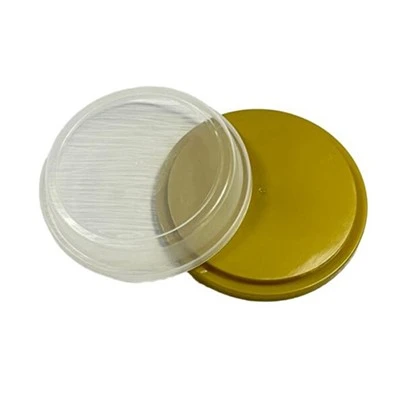
Plastic sealing cover
Plastic sealing cover refers to a specific type of plastic cover designed for securely sealing and protecting various items, containers, or surfaces. These covers often come with sealing mechanisms such as zippers, snaps, or adhesive strips, ensuring a tight and secure closure. Plastic sealing covers are commonly utilized in food packaging, preserving the freshness of perishable items, as well as in storage applications where an airtight seal is essential for protecting contents from moisture, dust, and other environmental factors. The sealing feature enhances the effectiveness of these covers in maintaining the integrity and longevity of the items they encapsulate, making them a practical choice for both domestic and industrial purposes.
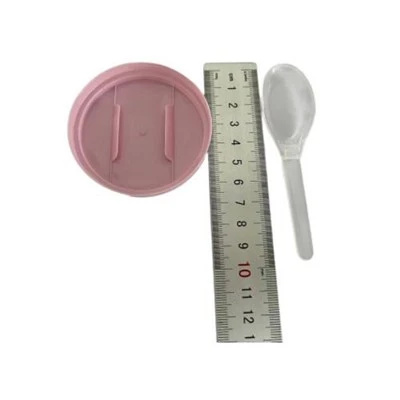
Plastic dust cover
Plastic dust cover is a protective shield made from plastic material, designed to prevent the infiltration of dust, dirt, and debris onto items, surfaces, or equipment. Typically transparent or translucent, plastic dust covers offer visibility while effectively serving as a barrier against airborne particles that could compromise the cleanliness and functionality of the covered items. These covers are commonly used in various settings, such as electronics, furniture, machinery, or during construction projects, where shielding against dust and contaminants is crucial for maintaining optimal conditions. The versatility and lightweight nature of plastic dust covers make them a practical solution for safeguarding objects in diverse environments and applications.
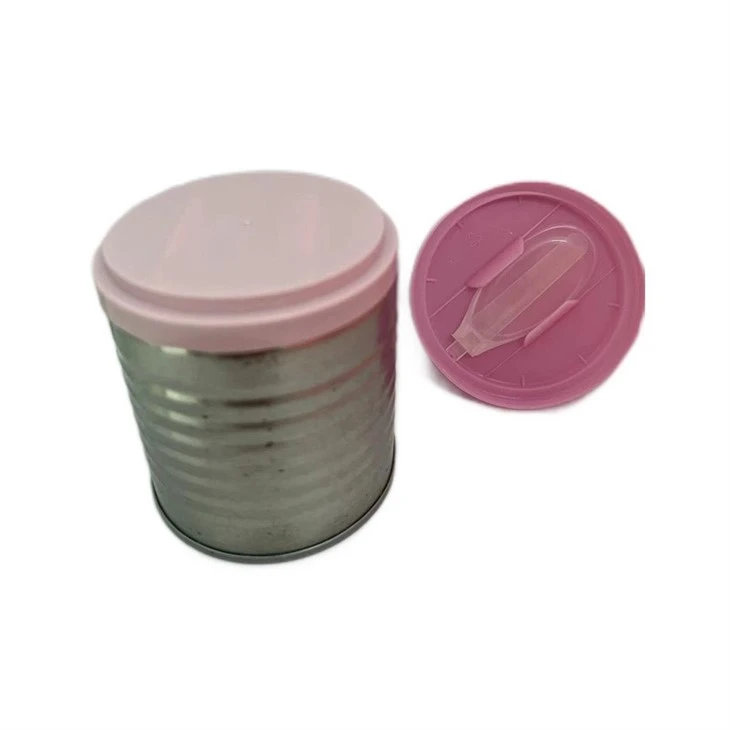
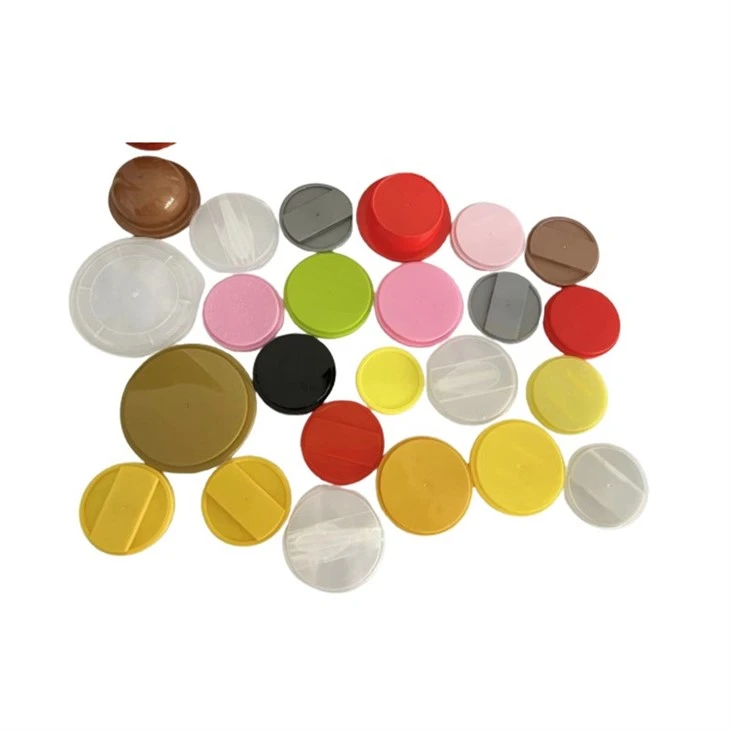
Canned fruit lids
Canned fruit lids are metal or plastic coverings specifically designed to seal and preserve canned fruits. These lids play a crucial role in maintaining the freshness, flavor, and safety of the fruit contents by creating an airtight seal, preventing the entry of contaminants and microorganisms. Typically, these lids are securely fastened onto the can through a sealing process, ensuring the integrity of the enclosed fruits during storage and transportation. Canned fruit lids come in various materials, including tinplate or aluminum for metal lids and plastic for more modern and lightweight options. The design and materials of these lids contribute to the longevity and quality of the canned fruit, offering convenience and preservation for consumers.
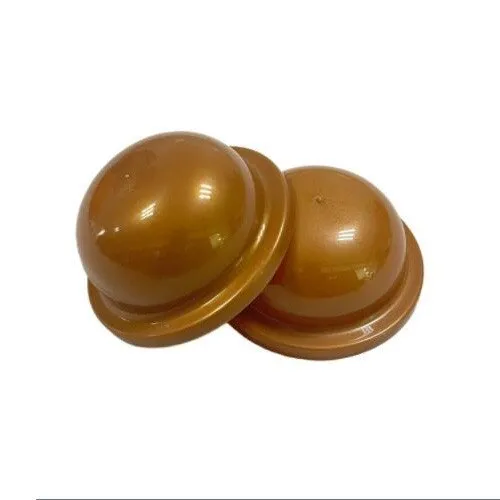
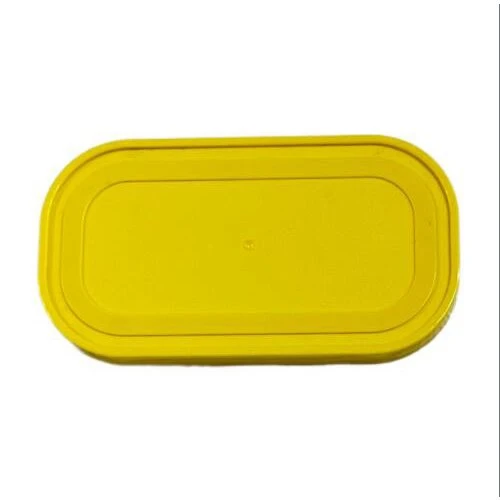
Special shaped cover
Special-shaped cover refers to a unique and specifically designed covering or lid that deviates from conventional shapes. These covers are crafted to fit and enclose items, containers, or structures with non-standard or distinctive shapes. The term is often used in various industries, including manufacturing, packaging, and construction, where standard-sized covers may not adequately fit irregularly shaped objects. The design of special-shaped covers is customized to match the contours or specifications of the item they are intended to protect, ensuring a secure fit and effective coverage. These covers can be made from a variety of materials, such as plastic, metal, or fabric, depending on the intended application and the characteristics of the items being covered.
How to Choose Plastic Cover
Identify the purpose
Clearly define the purpose of the plastic cover. Whether it's for packaging, storage, protection during transportation, or shielding from environmental elements, understanding the intended use will guide your selection.
Material selection
Determine the most suitable material for your application. Plastic covers come in different materials, such as polyethylene, polypropylene, PVC, or specialty plastics. Consider factors like durability, flexibility, and resistance to elements.
Thickness and strength
Evaluate the thickness and strength of the plastic cover. Thicker covers are generally more robust and offer better protection, but the choice depends on the level of durability required for your specific application.
Transparency or opacity
Consider whether transparency or opacity is essential. Transparent covers allow visibility, which is beneficial for identifying covered items without removal. Opaque covers provide privacy and protection from UV rays.
Size and dimensions
Accurately measure the size and dimensions of the items or surfaces you intend to cover. Ensure that the plastic cover is appropriately sized, with enough excess material for secure closure.
Environmental considerations
Consider the environmental conditions the plastic cover will face. If it will be exposed to the sun, extreme temperatures, or moisture, choose a cover with UV resistance, thermal stability, or waterproof properties accordingly.
Ease of application and removal
Assess the ease of applying and removing the plastic cover. Opt for covers with user-friendly features such as handles, easy-to-use closure mechanisms, and lightweight materials for convenience.
Reusable or disposable
Determine whether you need a reusable or disposable plastic cover. Reusable covers are more durable but may require additional maintenance, while disposable covers are convenient for one-time use.
The material of a plastic cover plays a pivotal role in determining its suitability for various applications. Plastic covers are commonly manufactured using a range of materials, each offering distinct properties and advantages. Polyethylene, a widely used thermoplastic, is favored for its flexibility, durability, and resistance to moisture. Polypropylene, another thermoplastic, is known for its sturdiness and resistance to chemicals, making it suitable for applications requiring a higher level of protection. PVC (Polyvinyl Chloride) is valued for its versatility and is often used when transparency is desirable. Additionally, specialty plastics may be employed for specific requirements, such as UV-resistant plastics for outdoor applications or anti-static plastics for electronic equipment protection. The choice of material depends on factors such as the intended use, environmental conditions, desired strength, and any regulatory requirements associated with the application. Understanding the unique characteristics of each plastic material is crucial in selecting the most appropriate cover to ensure optimal performance and longevity.
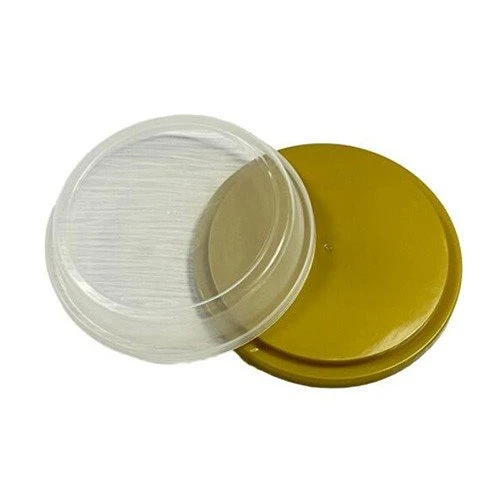
Packaging industry
Plastic covers are extensively used in the packaging industry for wrapping and protecting various goods. They provide a barrier against dust, moisture, and contaminants, ensuring the integrity and cleanliness of products during transportation and storage.
Construction sites
Plastic covers are utilized on construction sites to shield surfaces from dust, paint splatter, and debris. They are often employed during painting, plastering, or other construction activities to maintain the cleanliness of structures.
Food industry
Plastic covers play a vital role in the food industry for packaging perishable items. Cling films and plastic wraps help extend the shelf life of food products, preventing exposure to air and contaminants.
Electronics protection
Specially designed plastic covers are used to protect electronic equipment from dust, static, and moisture. These covers help maintain the functionality and lifespan of sensitive electronic devices.
Industrial equipment
Plastic covers are applied to industrial machinery and equipment to shield them from dust, debris, and environmental factors that may compromise their functionality.
Secondly, plastic covers offer a level of moisture resistance, preventing items from exposure to humidity or dampness. This is particularly crucial for items susceptible to mold, mildew, or rust. By creating a barrier against moisture, plastic covers contribute to the prevention of degradation and potential damage caused by environmental elements.
Additionally, plastic covers serve as a deterrent against scratches, abrasions, and physical wear. The smooth and often durable surface of plastic helps minimize the impact of external forces, ensuring that items remain in their original condition without surface damage.
UV resistance is another notable contribution of plastic covers. For items sensitive to sunlight, such as fabrics, furniture, or certain materials, plastic covers with UV-resistant properties provide protection against the harmful effects of prolonged sun exposure. This prevents fading, discoloration, and deterioration of the stored items.
The versatility of plastic covers allows them to conform to various shapes and sizes, ensuring a snug fit around items during storage. This adaptability helps create a secure and enclosed environment, further safeguarding items from potential harm.
Plastic covers contribute to the organization of stored items. Transparent or labeled covers enable easy identification of contents without the need to open or unwrap each item. This organizational aspect enhances accessibility and reduces the risk of mishandling or unnecessary exposure during retrieval.
Material selection
The process begins with the selection of appropriate plastic materials based on the desired characteristics of the cover. Common materials include polyethylene, polypropylene, PVC, or specialty plastics with properties such as UV resistance or anti-static capabilities.
Material extrusion
In the case of thermoplastic covers, the chosen plastic material is subjected to extrusion. The plastic pellets are melted and forced through a die to form a continuous profile or sheet. This extruded material will serve as the basis for the plastic cover.
Sheet formation
The extruded plastic is then cooled and flattened to create sheets of the desired thickness. The sheets can be transparent, translucent, or opaque, depending on the intended application.
Cutting and shaping
The plastic sheets are cut into the appropriate dimensions based on the specifications of the desired cover. Automated cutting equipment ensures precision and consistency in size.
Molding
For certain types of plastic covers, especially those with complex shapes or additional features, molding processes may be employed. Injection molding or thermoforming can be used to achieve intricate designs.
Additive incorporation
Depending on the specific requirements, additives may be incorporated into the plastic material during the manufacturing process. These additives could include colorants, stabilizers, UV inhibitors, or other substances to enhance the performance and appearance of the plastic cover.
Sealing mechanism integration
Plastic covers often feature closures such as zippers, snaps, adhesive strips, or drawstrings. The integration of these sealing mechanisms is a crucial step in the manufacturing process, ensuring the covers can be securely closed.
The working principle of a plastic cover revolves around its fundamental role as a protective barrier, leveraging the inherent properties of the chosen materials and design features. Engineered with flexibility and adaptability in mind, plastic covers utilize materials like polyethylene, polypropylene, or PVC to create a versatile shield against environmental elements. The primary objective is to establish a barrier that safeguards items or surfaces from dust, dirt, moisture, and contaminants. The cover's closure mechanisms, whether zippers, snaps, adhesive strips, or drawstrings, play a crucial role in ensuring a secure and customizable seal, maintaining the integrity of the enclosed contents.Weather and environmental resistance are key considerations, incorporating UV-resistant materials for outdoor use and waterproof plastics for moisture-prone environments. Ease of application and removal, coupled with user-friendly features like handles and lightweight materials, enhances the practicality of plastic covers.
How to Use the Plastic Cover
Inspect the plastic cover
Before use, inspect the plastic cover for any defects, damage, or irregularities. Ensure that closure mechanisms are intact and functioning properly.
Prepare the area or item
Clean and prepare the area or item you intend to cover. Remove any debris, dust, or moisture to ensure optimal protection.
Unroll or unfold the cover
If the plastic cover is in a rolled or folded state, unroll or unfold it to its full size. Lay it out flat and ensure it is free from wrinkles or folds.
Positioning the cover
Carefully position the plastic cover over the item or area you want to protect. Ensure it fully covers the target surface, allowing for any excess material needed for a secure fit.
Seal corners and edges
If the plastic cover does not have a built-in closure, secure the corners and edges using clips, weights, or other securing tools. This prevents the cover from shifting.
Smooth out wrinkles and air bubbles
Smooth out any wrinkles or air bubbles on the surface of the plastic cover. This not only ensures a neat appearance but also enhances the effectiveness of the cover.
Secure placement
Confirm that the plastic cover is securely in place. Walk around the covered area, checking for any areas that may need additional securing to prevent displacement.
Regular maintenance
Periodically assess the condition of the plastic cover. Address any damage, wear, or issues promptly to maintain its protective qualities over time.
Things to Note When Using Plastic Cover
Surface preparation
Before applying the plastic cover, ensure that the surface or item to be covered is clean and free from debris, dust, or moisture. A clean surface improves the adherence of the cover and prevents potential damage.
Correct sizing
Use a plastic cover that is appropriately sized for the item or area. Avoid excessive stretching or folding, as it may compromise the cover's integrity and protective capabilities.
Avoid sharp objects
Be cautious of sharp or abrasive objects that may come into contact with the plastic cover. Sharp edges can puncture or tear the material, reducing its effectiveness in providing protection.
Regular inspection
Periodically inspect the plastic cover for any signs of wear, damage, or degradation. Promptly address any issues to prevent the cover from becoming less effective over time.
Weather considerations
Take into account the environmental conditions. If using the plastic cover outdoors, ensure it is UV-resistant and capable of withstanding varying weather conditions such as rain, sunlight, or extreme temperatures.
Accessibility
Consider the need for periodic access to the covered items. If regular access is required, choose covers with easy-to-use closure mechanisms that allow for convenient opening and resealing without compromising protection.
Weight distribution
If covering large or heavy items, ensure that the weight is evenly distributed on the plastic cover. This prevents undue stress on specific areas, reducing the risk of tears or damage.
Components of Plastic Cover
Base material
The fundamental component of any plastic cover is the base material. Common materials include polyethylene, polypropylene, PVC, or specialty plastics, each chosen for its specific properties such as flexibility, durability, and resistance to environmental factors.
Additives
Manufacturers often incorporate additives into the base material to enhance certain characteristics. These additives may include stabilizers for UV resistance, colorants for aesthetic appeal, flame retardants for safety, or anti-static agents for specific applications.
Reinforcement layers
In certain applications, plastic covers may have reinforcement layers to enhance strength and durability. This can include additional layers of the base material or other reinforcing materials like fabric or mesh.
Ventilation features
Covers designed for items that require ventilation may have specific features to allow air circulation. This can include perforations, breathable materials, or strategically placed openings to prevent the buildup of moisture.
Anti-Microbial or anti-mold coatings
Covers used in environments prone to mold or microbial growth may incorporate coatings or additives to inhibit the growth of mold or bacteria. This helps maintain the cleanliness of the covered items.
Transparency or opacity enhancements
Depending on the application, plastic covers may have components to enhance transparency or opacity. This can include additives or treatments to improve clarity, making the cover suitable for displays or see-through packaging.
How Does the Flexibility of Plastic Covers Contribute to Their Functionality
The flexibility of plastic covers is a crucial factor contributing to their multifunctionality and widespread usability. The inherent pliability of plastics allows covers to conform easily to diverse shapes and contours, enabling them to adapt to a wide range of objects, surfaces, or structures. This flexibility ensures a snug fit, promoting effective coverage and protection against environmental elements such as dust, moisture, and debris. Moreover, the malleability of plastic covers facilitates effortless handling and application, making them user-friendly for various purposes. The pliable nature of plastics enhances their durability, enabling covers to withstand bending, folding, and stretching without compromising their integrity. Overall, the flexibility of plastic covers is a pivotal characteristic that underpins their functionality across numerous applications, offering a convenient and adaptable solution for protecting a diverse array of items and surfaces.
What Closure Mechanisms Are Commonly Found in Plastic Covers
Plastic covers commonly feature various closure mechanisms designed to secure the cover in place and provide a protective seal. One prevalent closure mechanism is the zipper, offering a convenient and easily operable solution for opening and closing the cover. Snaps or buttons are also frequently employed, providing a secure closure and ease of use. Adhesive strips, such as hook-and-loop fasteners, offer quick and resealable options, ideal for applications requiring frequent access. Drawstrings, either elastic or non-elastic, are utilized to cinch and tighten the cover around an object, ensuring a snug fit. Additionally, some covers incorporate buttons, buckles, or ties for closure, providing alternatives that suit specific applications. The choice of closure mechanism often depends on factors such as the intended use, frequency of access, and the level of security required. The diversity in closure options contributes to the adaptability of plastic covers, allowing them to meet the varied needs of different industries and applications.
Regular cleaning
Perform regular cleaning of plastic covers to remove accumulated dust, dirt, and residues. Use a mild detergent or soap solution with a soft cloth or sponge. Avoid abrasive materials that could scratch or damage the cover's surface.
Avoid harsh chemicals
Refrain from using harsh chemicals or solvents during cleaning, as they can degrade the material and compromise the cover's integrity. Stick to gentle cleaning agents to preserve the quality of the plastic.
Inspect for damage
Periodically inspect plastic covers for any signs of damage, such as tears, punctures, or weakened areas. Promptly address any issues to prevent further deterioration and to ensure continued protection.
Store properly
When not in use, store plastic covers in a cool, dry place away from direct sunlight. Avoid exposing them to extreme temperatures or storing them in areas with sharp objects that could cause unintended damage.
Address mold or mildew
If the plastic cover is exposed to moisture and develops mold or mildew, clean it thoroughly using a mixture of water and vinegar or a mild antifungal solution. Ensure the cover is completely dry before storage to prevent future growth.
Handle with care
Exercise care when handling plastic covers to prevent unnecessary stress or stretching. Avoid excessive force during application or removal, and be mindful of sharp objects that could potentially cause tears or abrasions.
Certifications


FAQ
Q: What are the common materials used in manufacturing plastic covers?
Q: Are plastic covers recyclable?
Q: How do I clean a plastic cover?
Q: What closure mechanisms are commonly found in plastic covers?
Q: Can plastic covers be used outdoors?
Q: Are plastic covers suitable for long-term storage?
Q: How do I choose the right size of a plastic cover for my item?
Q: Can plastic covers be used for packaging food items?
Q: How do I repair a small tear in a plastic cover?
Q: Are there environmentally friendly options for plastic covers?
Q: Can plastic covers be used for protecting furniture during relocation?
Q: How do I ensure proper ventilation when using a plastic cover?
Q: Are there specific covers for protecting items against UV rays?
Q: Can I customize the size of a plastic cover for my specific needs?
Q: Are there covers designed for extreme temperatures?
Q: Can plastic covers protect against water damage?
Q: How do I choose the right closure mechanism for my needs?
Q: What is a plastic cover?
Q: What is a hard plastic cover?
Q: What is the plastic covering over food?
As one of the most professional plastic cover manufacturers and suppliers in China, we're featured by quality products and competitive price. Please rest assured to buy bulk discount plastic cover from our factory. Contact us for pricelist.
High Quality Storage Bucket Storage Bucket, Plastic Storage Stool, Snack Storage Bucket