


Plastic Bucket
Plastic bucket is a container made of plastic material, typically polyethylene, designed for various storage and transportation purposes. These buckets are lightweight, durable, and versatile, making them suitable for a wide range of applications. Commonly used in household chores, construction, gardening, and industrial settings, plastic buckets come in various sizes and colors. They often feature a sturdy handle for ease of carrying and pouring liquids or materials. The plastic construction offers resistance to corrosion and is easy to clean, making plastic buckets a practical choice for both domestic and commercial use.
Advantages of Plastic Bucket
Durable and impact-resistant
Plastic buckets are known for their durability and resilience to impact. The robust nature of the plastic material ensures that these buckets can withstand rough handling, accidental drops, and other challenging conditions without compromising their structural integrity.
Versatility in design and shape
Plastic buckets come in a wide array of shapes, sizes, and designs, allowing for versatile applications across diverse industries. Manufacturers can mold plastic into various configurations to meet specific user requirements, making plastic buckets adaptable to different use cases.
Corrosion and chemical resistance
Plastic buckets are resistant to corrosion and chemicals, making them suitable for storing and transporting a variety of substances. This resistance ensures that the contents remain uncontaminated and that the plastic buckets maintain their structural integrity when exposed to different materials.
Easy to clean and maintain
Plastic buckets are easy to clean and maintain due to their smooth, non-porous surfaces. They can be quickly rinsed or wiped down, reducing the risk of bacterial growth and contamination. This feature makes plastic buckets a hygienic choice for applications involving food, chemicals, or other sensitive materials.


24H online service
You can contact us to inquire about pre-sales, sales, and after-sales services, and we will give you a very satisfactoryWe are at your service online 24 hours a day.
High quality
Our products are manufactured or executed to very high standards, using the finest materials and manufacturing processes.
One-stop solution
With rich experience and one-to-one service,we can help you choose products and answer technical questions.
Rich experience
Dedicated to strict quality control and attentive customer service, our experienced staff is always available to discuss your requirements and ensure complete customer satisfaction.
Types of Plastic Bucket

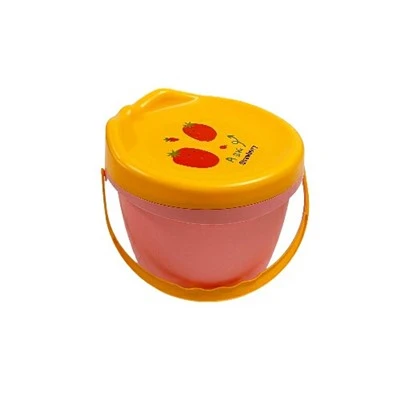
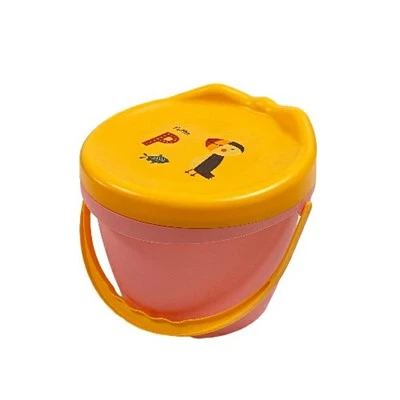
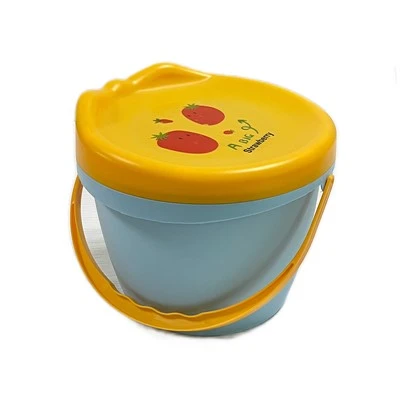
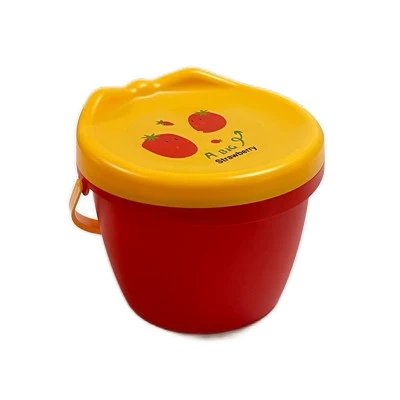
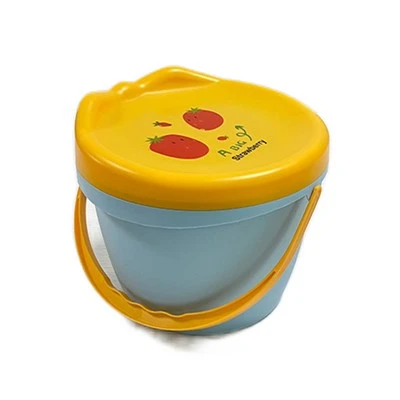
Snack storage bucke
Snack storage bucket is a container specifically designed for storing and organizing snacks. Typically made from materials like plastic, these buckets are crafted with features that make them suitable for holding various types of snacks, such as chips, cookies, candies, or other munchable items. The design often includes an airtight or sealable lid to maintain the freshness of the snacks and prevent them from becoming stale. Some snack storage buckets may have multiple compartments or dividers, allowing users to separate different types of snacks within the same container.

Ddebris storage bucket
Ddebris storage bucket refers to a container designed specifically for the collection and storage of debris or waste materials. Typically made from durable materials such as plastic or metal, these buckets are equipped to handle various types of debris, including dust, dirt, small debris particles, or other waste generated during cleaning, construction, or maintenance activities. Debris storage buckets often feature sturdy construction with reinforced bottoms to withstand the weight and impact of collected materials. Some may also include lids or covers to secure the debris and prevent spillage during transport.

Practical fishing bucket
Practical fishing bucket refers to a container designed with functionality in mind for anglers during fishing activities. Typically made from durable and water-resistant materials such as plastic or fabric, a practical fishing bucket often features multiple compartments or pockets to organize fishing gear, bait, lures, and other essential accessories. Practical fishing buckets are lightweight, portable, and often incorporate a handle for easy transportation to and from fishing locations, making them an essential accessory for anglers looking to streamline their fishing gear management.
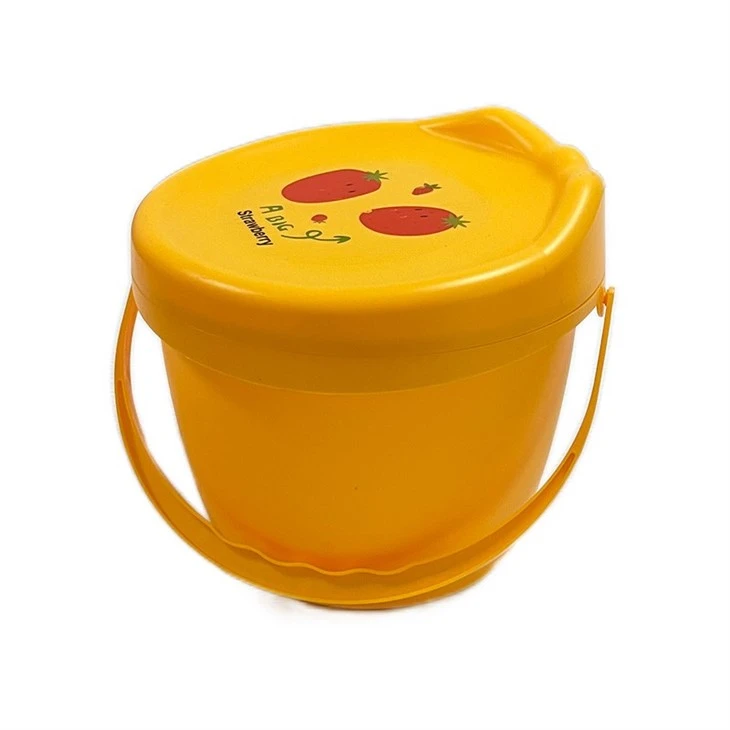
Cartoon beach bucket
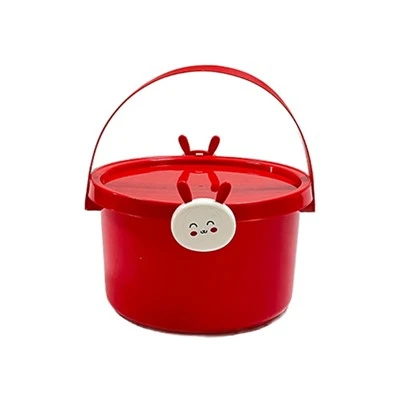
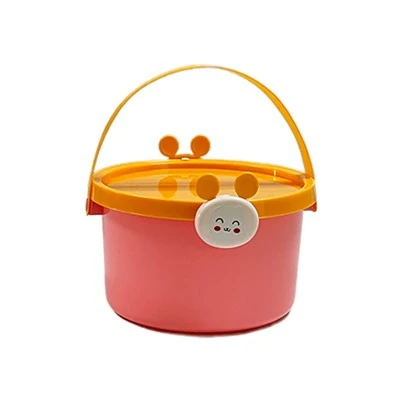
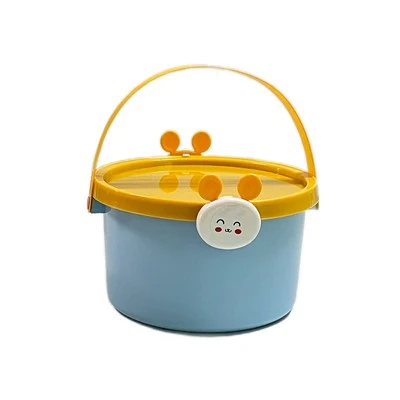
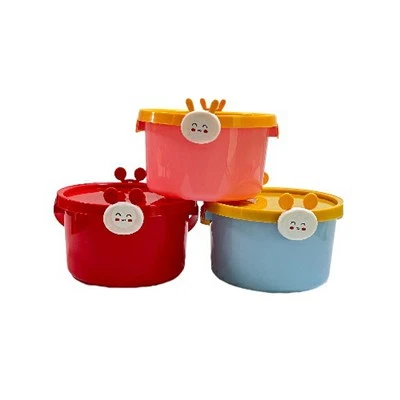
Cartoon beach bucket refers to a playful and visually engaging bucket typically designed for children to use during beach outings. These buckets often feature vibrant and colorful cartoon characters, designs, or animated motifs, adding a whimsical touch to the traditional beach accessory. Made from durable materials such as plastic, cartoon beach buckets are equipped to withstand sand and water exposure. They may come in various sizes and shapes, providing a fun and practical tool for building sandcastles, collecting seashells, or carrying water for sandcastle construction.
How to Choose Plastic Bucket
Material and durability
Consider the type of plastic used in the bucket's construction. High-quality materials like polyethylene or polypropylene are durable and resistant to wear and tear. Ensure the chosen material is suitable for the intended use, whether for heavy-duty industrial tasks or general household purposes.
Size and capacity
Assess the size and capacity of the plastic bucket based on your intended application. Larger buckets are suitable for tasks requiring significant storage, while smaller ones may be more convenient for household cleaning or organizing purposes. Choose a size that aligns with your specific needs.
Lid and sealability
Check whether the plastic bucket comes with a secure lid. Airtight or sealable lids are essential for tasks that require storage of liquids, preventing spills and maintaining the freshness of the contents. Consider buckets with reliable sealing mechanisms for enhanced functionality.
Handle design and ergonomics
Evaluate the design and ergonomics of the bucket's handle. A comfortable and sturdy handle is crucial for ease of carrying and pouring. Look for buckets with reinforced handles or ergonomic designs to ensure comfortable usage, especially for tasks involving lifting or transporting.
Special features
Consider any special features that may enhance the bucket's usability. Some plastic buckets come with added functionalities such as measurement markings, pouring spouts, or stacking capabilities. Assess these features based on your specific requirements and preferences.
Intended use and application
Determine the primary purpose of the plastic bucket. Different tasks, such as construction, gardening, cleaning, or food storage, may require buckets with specific characteristics. Ensure the chosen bucket is suitable for the intended application to maximize its effectiveness.
Construction and industrial use
Plastic buckets are widely employed in construction sites and industrial settings for carrying and transporting materials such as cement, sand, and debris. Their robust construction and durability make them suitable for heavy-duty tasks.
Household cleaning and organization
In households, plastic buckets serve as essential tools for cleaning tasks. They are used to carry water, store cleaning agents, and organize cleaning supplies. The lightweight nature and ease of cleaning make them practical for everyday chores.
Gardening and agriculture
Plastic buckets are popular in gardening and agriculture for tasks like planting, watering, and harvesting. They provide a convenient way to transport soil, fertilizer, or harvested produce. Some buckets come with features like measurement markings for precise gardening applications.
Food Storage and preparation
Plastic buckets with airtight lids are commonly utilized for food storage. They help keep dry goods such as grains, flour, or pet food fresh for extended periods. Additionally, food-grade plastic buckets are used in food preparation for mixing, marinating, or brining.
Outdoor and recreational activities
Plastic buckets are essential accessories for outdoor activities such as camping, fishing, and beach outings. They are used for carrying water, collecting shells, or building sandcastles. Their lightweight design and durability make them convenient for recreational purposes.
Painting and DIY projects
Plastic buckets are frequently employed in DIY projects and painting tasks. They serve as containers for paint, mixing materials, or storing tools. The ease of cleaning and the ability to withstand paint or other chemicals make them suitable for such applications.
Material of Plastic Bucket
Plastic buckets are commonly manufactured using various types of plastics, each selected based on its specific properties and intended application. Polyethylene (PE) and polypropylene (PP) are two primary materials used in the production of plastic buckets. High-Density Polyethylene (HDPE) is favored for its durability, chemical resistance, and sturdiness, making it suitable for heavy-duty applications in construction, agriculture, and industrial settings. On the other hand, Low-Density Polyethylene (LDPE) is often chosen for its flexibility, making it suitable for applications where a more pliable material is desirable. Polypropylene is known for its high melting point, strength, and resistance to fatigue, making it suitable for tasks involving higher temperatures, such as storing hot materials. These plastic materials are molded into bucket shapes using various manufacturing processes, creating containers that are lightweight, cost-effective, and versatile for a wide range of uses.
Working Principle of Plastic Bucket
The working principle of a plastic bucket is straightforward, primarily relying on the structural integrity and properties of the chosen plastic material. Plastic buckets are typically molded using injection molding or blow molding processes. In injection molding, melted plastic is injected into a mold cavity, forming the desired bucket shape as it cools and solidifies. Alternatively, blow molding involves inflating a hot plastic parison (hollow tube) inside a mold, taking on the mold's shape to create the bucket.The inherent strength, durability, and flexibility of plastics contribute to the functionality of the plastic bucket. Its design incorporates features like a base, sidewalls, and a reinforced rim for structural stability. The handle, an integral part of the bucket, is usually molded as part of the overall structure or added later, providing a convenient grip for lifting and carrying.The working principle of a plastic bucket is essentially to provide a reliable and versatile container for storing, transporting, and organizing various materials. The choice of plastic material, manufacturing process, and design considerations collectively contribute to the bucket's ability to withstand different conditions, such as varying temperatures, chemicals, and mechanical stresses, ensuring its effectiveness in a multitude of applications.

Material selection
The process begins with selecting the appropriate plastic material, often polyethylene (PE) or polypropylene (PP), based on the desired properties and application requirements of the plastic bucket. These materials are chosen for their durability, flexibility, and resistance to various environmental factors.
Injection molding or blow molding
The selected plastic material undergoes either injection molding or blow molding. In injection molding, plastic pellets are melted and injected into a mold cavity, forming the bucket shape as it cools. Blow molding involves inflating a heated plastic parison inside a mold to create the desired bucket structure.
Mold design and creation
The mold design is a crucial aspect, determining the final shape and features of the plastic bucket. Precision in mold creation is essential for ensuring uniform thickness and structural integrity. Molds are typically made of metal and designed to withstand repeated use.
Cooling and solidification
After the plastic is molded into the desired shape, the bucket undergoes a cooling process to solidify the material. This phase is critical for maintaining the structural integrity and preventing deformation.
Secondary processes
Depending on the intended features, additional processes may be employed. This can include adding reinforcing elements, incorporating handles, or applying surface finishes. Handles, for example, may be molded as part of the bucket structure or attached separately based on design requirements.
Quality control and testing
Each batch of plastic buckets undergoes rigorous quality control measures. This includes visual inspections, dimensional checks, and tests for factors such as weight capacity and material integrity.
Material compatibility
Check the plastic bucket's material compatibility with the substances it will come in contact with. Certain chemicals or materials may react with specific types of plastic, leading to degradation or contamination. Choose a plastic bucket made from materials suitable for the intended use.
Weight capacity
Adhere to the weight capacity specifications of the plastic bucket. Overloading the bucket beyond its designed capacity can lead to structural damage, compromising its integrity and increasing the risk of spillage or breakage.
Environmental conditions
Consider the environmental conditions in which the plastic bucket will be used. Exposure to extreme temperatures, UV radiation, or harsh weather conditions over time can affect the durability and lifespan of the plastic. Choose buckets designed to withstand the intended environment.
Proper lid usage
If the plastic bucket comes with a lid, ensure it is used properly and securely. Lids help prevent contamination, spillage, and evaporation. For airtight storage, verify that the lid forms a tight seal to maintain the freshness of stored contents.
Avoid abrasive cleaning agents
When cleaning the plastic bucket, avoid using abrasive cleaning agents or tools that may scratch the surface. Scratches can compromise the structural integrity and hygiene of the bucket. Use mild detergents and soft cleaning materials.
Regular inspection
Periodically inspect the plastic bucket for any signs of wear, cracks, or damage. Regular checks help identify potential issues early on, allowing for timely replacement or repair. If any defects are found, discontinue use and replace the bucket as needed.
How Does Exposure to Uv Radiation Affect the Longevity of Plastic Buckets
Exposure to UV (ultraviolet) radiation can significantly impact the longevity of plastic buckets. UV radiation from sunlight contains energy that can cause the degradation of polymers commonly used in plastic manufacturing. When plastic buckets are exposed to prolonged sunlight, the UV rays can initiate a process known as photooxidation. This process leads to the breakdown of molecular chains in the plastic, resulting in discoloration, loss of flexibility, and overall deterioration of the material.
The UV-induced degradation can compromise the structural integrity of the plastic, making it more susceptible to cracking, brittleness, and reduced load-bearing capacity. Additionally, the aesthetic properties of the plastic, such as color and finish, may be adversely affected, leading to a faded or weathered appearance.
To mitigate the impact of UV radiation, manufacturers often incorporate stabilizers and additives into the plastic formulation. These UV stabilizers act as protective agents, absorbing and dissipating the harmful effects of UV rays, thus extending the lifespan of the plastic bucket. Despite these measures, it is advisable to store plastic buckets away from direct sunlight or to choose UV-resistant formulations for applications where prolonged outdoor exposure is anticipated. Regular inspection and replacement of plastic buckets that show signs of UV-induced degradation are crucial to maintaining their functionality and ensuring their safe use over time.

What Are the Primary Differences Between Injection Molding and Blow Molding in the Production of Plastic Buckets
The primary differences between injection molding and blow molding lie in their respective processes and outcomes in the production of plastic buckets. Injection molding involves injecting molten plastic material into a mold cavity, where it cools and solidifies to form the desired shape. This process is well-suited for producing intricate and complex designs with precise details, making it ideal for plastic buckets that require handles, measurement markings, or specific structural features.
On the other hand, blow molding is a process where a hollow tube or parison of plastic is heated and then inflated within a mold to take on its shape. This method is particularly advantageous for creating seamless, hollow structures, making it commonly employed in the production of plastic bottles, containers, and certain types of plastic buckets. Blow molding is advantageous for large-scale production of lightweight and uniform products, and it is often chosen for applications where the final design requires a consistent thickness throughout the container.
Injection molding is preferred for intricate details and specific features in plastic buckets, while blow molding excels in creating seamless, hollow structures with consistent thickness. The choice between these methods depends on the desired characteristics of the plastic bucket and the manufacturing requirements.
How Do Different Plastic Materials Impact the Durability of Plastic Buckets
The durability of plastic buckets is significantly influenced by the specific plastic materials used in their manufacturing. Various types of plastics, such as polyethylene (PE), polypropylene (PP), and polycarbonate (PC), have distinct characteristics that impact the overall durability of the bucket. High-Density Polyethylene (HDPE) is renowned for its exceptional strength, toughness, and resistance to chemicals, making it a popular choice for heavy-duty applications. Polypropylene offers similar durability, with added resistance to high temperatures, making it suitable for diverse environments. Polycarbonate, known for its transparency and impact resistance, is utilized in applications where visibility and robustness are crucial.The molecular structure and composition of these plastics play a crucial role in determining the resistance to wear, tear, and environmental factors. For instance, UV stabilizers are often incorporated to protect against sunlight-induced degradation. The choice of plastic material also affects factors like flexibility, impact resistance, and overall lifespan. Manufacturers select materials based on the intended use of the plastic bucket, ensuring that it meets the specific requirements for durability in various applications, from industrial and construction settings to household use.
Volume requirements
Determine the amount of material or contents the bucket needs to accommodate. This includes both the quantity and type of substances, whether it's liquids, granular materials, or solids.
Task or application
Consider the specific application or task for which the bucket will be used. For example, if it's for gardening, the size may depend on the volume of soil or compost needed. In construction, it may be based on the amount of mortar or other materials required.
Storage space
Evaluate the available storage space for the plastic bucket. Ensure that the chosen size fits comfortably in the designated area without causing obstruction or inconvenience.
Weight capacity
Check the weight capacity of the plastic bucket to ensure it can safely support the intended contents. Overloading the bucket beyond its capacity can compromise its structural integrity.
Ease of handling
Consider the ease of handling the bucket, especially if it needs to be lifted or carried. Smaller buckets may be more manageable for tasks that involve frequent movement.
Stackability
If multiple buckets will be used or stored together, assess whether they need to be stackable. Some applications, such as storage or transportation, may benefit from stackable designs to optimize space.
Durability requirements
Depending on the nature of the application, choose a bucket made from durable materials with the necessary thickness to withstand the conditions it will encounter.
The thickness of the plastic material in a bucket plays a crucial role in determining its strength and durability. The thickness, often referred to as gauge or wall thickness, directly impacts the structural integrity and resilience of the bucket. Thicker plastic walls contribute to increased strength, making the bucket more resistant to external forces, such as impacts or weight-bearing loads. This is particularly essential in applications where the bucket may undergo heavy use, such as in construction or industrial settings.Thickness of the plastic material influences the bucket's resistance to deformation and cracking. Thicker walls enhance the overall durability, reducing the likelihood of the bucket warping or developing stress fractures over time, especially when subjected to harsh environmental conditions. In contrast, thinner walls may be suitable for lighter-duty applications but could be more prone to damage in demanding scenarios.The choice of thickness depends on the intended use of the bucket, with heavier-duty applications necessitating thicker materials for longevity and reliability.
How to Maintain Plastic Bucket
Regular cleaning
Clean the plastic bucket regularly to prevent the accumulation of dirt, residues, or contaminants. Use mild soapy water and a soft cloth or sponge for cleaning. Avoid abrasive materials that may scratch the surface.
Avoid exposure to extreme conditions
Protect the plastic bucket from prolonged exposure to extreme temperatures, both hot and cold, as well as direct sunlight. Extended exposure to such conditions can degrade the material and compromise the bucket's structural integrity.
Inspect for damage
Routinely inspect the plastic bucket for any signs of damage, including cracks, dents, or deformities. Damaged buckets should be promptly replaced to prevent potential hazards or contamination of stored materials.
Proper storage
Store the plastic bucket in a dry and cool environment when not in use. Avoid stacking heavy items on top of the bucket, as this can lead to deformation. Proper storage helps maintain the bucket's shape and prolongs its lifespan.
Check seals and lids
If the plastic bucket comes with a lid or seal, regularly check its condition. Ensure that the lid forms a proper seal to maintain the freshness and integrity of stored contents. Replace any damaged or ineffective lids to prevent spills and contamination.
Avoid harsh chemicals
Avoid exposing the plastic bucket to harsh chemicals that may degrade the material. Certain chemicals can weaken the plastic and compromise its performance. If the bucket has been in contact with chemicals, thoroughly clean and rinse it to remove any residues.
Certifications


FAQ
Q: What materials are commonly used in the production of plastic buckets?
Q: How can I identify if a plastic bucket is food-grade?
Q: Are plastic buckets recyclable?
Q: Can plastic buckets be used for storing chemicals?
Q: What is the weight capacity of plastic buckets?
Q: How does exposure to UV radiation affect the longevity of plastic buckets?
Q: Are there environmentally friendly options for plastic buckets?
Q: What industries commonly use plastic buckets?
Q: How can I clean and maintain a plastic bucket?
Q: Are there different types of plastic bucket designs?
Q: Can plastic buckets be used for hot liquids?
Q: How can I choose the right size of a plastic bucket for gardening?
Q: Can plastic buckets be stacked?
Q: What are the advantages of using recycled plastic buckets?
Q: How do I ensure that a plastic bucket is airtight?
Q: Are there regulations for the production of plastic buckets?
Q: Can plastic buckets be used for long-term storage?
Q: Can plastic buckets be used for freezing food?
Q: Can plastic buckets be used for mixing and transporting concrete?
Q: How can I prevent odors from lingering in plastic buckets?
As one of the most professional plastic bucket manufacturers and suppliers in China, we're featured by quality products and competitive price. Please rest assured to buy bulk discount plastic bucket from our factory. Contact us for pricelist.
Exquisite Shopping Basket, Sample Plastic Box, Insulated Handle