


Plastic Spoon
Plastic spoon is a utensil made from plastic material, typically polypropylene, and designed for the purpose of eating or serving food. Characterized by its lightweight and disposable nature, a plastic spoon is commonly used in various settings, including households, restaurants, takeout establishments, and events. It offers a convenient and cost-effective solution for serving and consuming a wide range of dishes, and its disposable design simplifies cleanup processes.
Advantages of Plastic Spoon
Lightweight
Plastic spoons are lightweight, making them easy to handle and convenient for on-the-go consumption. This characteristic is particularly beneficial in fast-paced environments such as takeout establishments, picnics, or outdoor events where the portability of utensils is crucial.
Easy to clean
Another advantage of plastic spoons lies in their disposability, which simplifies the cleaning process. After use, individuals can discard the spoons, eliminating the need for washing and reducing water consumption. This feature is especially advantageous in busy catering scenarios and quick-service restaurants, where efficiency is paramount.
Versatile
Plastic spoons are versatile and suitable for a wide range of food types. Their sturdy design allows for effective use with both hot and cold dishes, making them a practical choice for serving soups, ice cream, salads, and various other culinary delights.
Different sizes
Plastic spoons are available in different sizes and designs, catering to diverse preferences and culinary needs. This versatility ensures that consumers can choose the most appropriate spoon for the type of food being served, enhancing the overall dining experience.




24H online service
You can contact us to inquire about pre-sales, sales, and after-sales services, and we will give you a very satisfactoryWe are at your service online 24 hours a day.
High quality
Our products are manufactured or executed to very high standards, using the finest materials and manufacturing processes.
One-stop solution
With rich experience and one-to-one service,we can help you choose products and answer technical questions.
Rich experience
Dedicated to strict quality control and attentive customer service, our experienced staff is always available to discuss your requirements and ensure complete customer satisfaction.
Types of Plastic Spoon

Ice cream clinker scoop
Disposable plastic spoons are very convenient. Compared to traditional spoons, they do not require cleaning after each use, thereby reducing the time and effort required to maintain cleanliness. This is particularly beneficial for busy ice cream shops that frequently use multiple spoons or outdoor activities where water supply may be limited. In addition, these spoons are lightweight, compact in structure, and easy to transport and store.Disposable plastic spoons are more hygienic than traditional spoons. Because they are disposable, the risk of cross contamination between different ice cream flavors is eliminated, ensuring that customers can always taste fresh flavors.

Clinker type cake spoon
Biodegradable plastics are a good substitute for traditional plastics. This type of plastic is made from natural materials such as corn starch, which decomposes faster and easier in the environment. They can also be composted, which means they can naturally degrade without causing harm to the environment.Another alternative to plastic cake spoons is bamboo spoons. These are all made of sustainable and renewable materials and are biodegradable. In addition to being environmentally friendly, they also have a stylish and elegant appearance, making them easy to use.
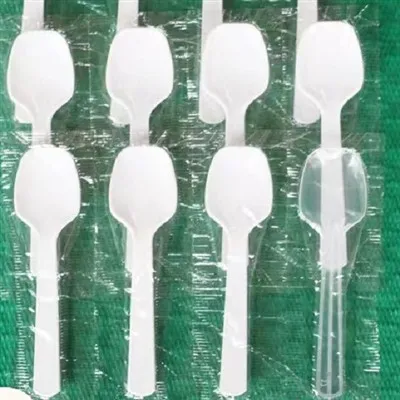
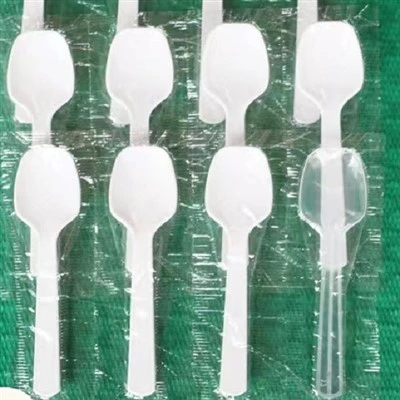
Pudding spoon
One of the main features of a disposable plastic pudding spoon is its convenience. These spoons are very easy to use and handle, which means you can enjoy the pudding without worrying about cleaning afterwards. Just scoop up your dessert with a spoon and throw it away after eating. This makes disposable plastic pudding spoons very suitable for use at parties, picnics, or any other occasions, where you don't have to worry about cleaning after use.Another major feature of disposable plastic pudding spoons is their affordable price. These spoons are very cheap to buy, which means you can stock up without losing everything. This makes them an excellent choice for anyone who loves pudding but doesn't want to spend a lot of money on tableware.

Watermelon spoon
Disposable plastic watermelon spoons have been popular for many years due to their innovative design and convenience. This product is specially designed to make eating watermelon easier and easier. It effortlessly pulled out the flesh of the watermelon. The watermelon spoon is made of high-quality plastic, safe, reliable, and comfortable to use.This product is very safe to use as it has no sharp edges or tips that may harm the user. The edges are circular, ensuring safety and ease of use for children and adults. In addition, the materials used in the product do not contain bisphenol A, which is an environmentally friendly product.
How to Choose Plastic Spoon
Material
Check the type of plastic used. Look for BPA-free, food-grade plastics that are safe for food contact. High-density polyethylene (HDPE) and polypropylene (PP) are common choices due to their durability and resistance to chemicals.
Size and shape
Consider the size of the spoon in relation to its intended use. Regular spoons are suitable for serving soups, desserts, and beverages. However, if you need them for cereals, consider a larger size. The shape of the spoon (round, flat, deep, shallow) can also affect its functionality.
Durability
Choose spoons that are sturdy and can withstand frequent use without cracking or melting. High-quality plastic spoons will last longer and are more likely to retain their shape over time.
Hygiene
Opt for spoons that are easy to clean. Check if they are dishwasher safe, as this makes maintenance and sanitation simpler.
Color and design
Plastic spoons come in a variety of colors and designs. Choose a color that matches your kitchen décor or opt for clear spoons for a more modern look. Some spoons have patterns or logos, which can be suitable for branding if you're using them for a business.
Environmental impact
If you're environmentally conscious, consider choosing spoons made from recyclable or compostable materials. While this might increase the cost, it's a more sustainable choice.
Single-use utensils
Plastic spoons are widely used as single-use utensils in restaurants, fast-food chains, and take-out establishments. They provide a convenient and disposable option for customers, minimizing the need for washing and reducing overall operational costs.
Event catering
Plastic spoons are a staple in event catering, especially for large gatherings such as weddings, parties, and conferences. Their disposable nature simplifies the cleanup process, making them a popular choice for serving desserts, salads, or other dishes.
Outdoor and picnic essentials
Plastic spoons are perfect for outdoor activities and picnics due to their lightweight and portable nature. They are easy to pack and dispose of, making them a practical choice for on-the-go dining experiences.
Ice Cream and frozen desserts
Plastic spoons are commonly used for enjoying frozen treats like ice cream, frozen yogurt, and gelato. Their sturdy construction allows users to scoop through the frozen texture without the risk of breakage.
Crafting and DIY projects
Plastic spoons are sometimes repurposed for various crafting and do-it-yourself (DIY) projects. Their shape and material make them suitable for creating decorative items, such as flower sculptures or paint palettes for art activities.
Environmental initiatives
While the environmental impact of plastic utensils is a concern, efforts are being made to develop biodegradable or compostable plastic alternatives for spoons. These eco-friendly options aim to reduce the environmental footprint associated with traditional plastic utensils.
Plastic spoons are typically crafted from a type of thermoplastic polymer known as polypropylene. Polypropylene is a popular choice for manufacturing disposable utensils due to its desirable properties, including lightweight construction, flexibility, and resistance to heat. This material is derived from the polymerization of propylene monomers, resulting in a durable and versatile plastic. Polypropylene exhibits excellent chemical resistance, making it suitable for contact with various food items without risk of contamination. Moreover, its low cost and ease of molding contribute to the widespread use of polypropylene in the production of plastic spoons.

The working principle of a plastic spoon is relatively straightforward, primarily involving the utilization of the physical and mechanical properties of the plastic material from which it is made. Plastic spoons are typically injection-molded using thermoplastic polymers such as polypropylene. The process begins with the melting of the plastic resin, which is then injected into a mold cavity in the shape of a spoon. Once inside the mold, the molten plastic takes on the form of the mold, solidifying as it cools. This injection molding method allows for the mass production of uniform plastic spoons with consistent dimensions.
The design of the spoon involves considerations for ergonomic factors, ensuring that it is easy to handle and use for its intended purpose. The plastic material chosen for the spoon is selected for its durability, flexibility, and resistance to heat, making it suitable for various culinary applications. The spoon's shape, size, and structural integrity are all key aspects of its working principle, ensuring that it can effectively scoop, stir, or serve food.
Plastic spoons are designed to be lightweight, making them easy to transport and handle, especially in contexts where disposability is essential, such as in fast-food establishments or at large events. The simplicity of their design and the efficiency of the injection molding process contribute to the cost-effectiveness of producing plastic spoons on a mass scale.
Material selection
The process begins with the careful selection of raw materials, predominantly thermoplastic polymers such as polypropylene. These materials are chosen for their desirable properties, including durability, flexibility, and resistance to heat.
Injection molding
The selected plastic resin undergoes an injection molding process. In this step, the plastic is heated until it reaches a molten state. It is then injected into a specially designed mold cavity in the shape of a spoon. The mold imparts the desired form to the molten plastic, and as it cools, it solidifies into the spoon's final shape.
Cooling and solidification
After the injection molding process, the molded plastic spoons are allowed to cool within the mold. This cooling phase is crucial to ensure the spoons solidify into a rigid and stable form. The cooling time is carefully controlled to maintain efficiency in the production line.
Ejection and trimming
Once the plastic spoons have sufficiently cooled and solidified, they are ejected from the mold. Any excess material, known as flash, is trimmed off. This ensures that each spoon meets the specified dimensions and quality standards.
Quality control
The manufactured plastic spoons undergo rigorous quality control checks. These checks may include inspections for dimensional accuracy, visual imperfections, and structural integrity. Any spoons that do not meet the stringent quality standards are removed from the production line.
How to Use the Plastic Spoon
Eating utensil
The most common use of a plastic spoon is as an eating utensil. You can use it to eat various foods like soup, ice cream, cereal, and more. Hold the handle of the spoon with your fingers and use the bowl of the spoon to scoop up food from a plate or bowl. Then, bring the food to your mouth and enjoy.
Mixing tool
A plastic spoon can also be used as a mixing tool in the kitchen. You can use it to stir ingredients in a bowl, mix paint, or blend food in a blender or food processor. Gently move the spoon around in the bowl or container to ensure all ingredients are thoroughly combined.
Measurement tool
In baking or cooking, a plastic spoon can be used to measure ingredients like flour, sugar, and spices. There are usually measurements marked on the side of the spoon to help you measure out the right amount of ingredient.
Feeding tool
A plastic spoon can also be used to feed pets or babies. The soft and non-sharp nature of the plastic spoon makes it safe for use with animals or infants.
Arts and crafts
Plastic spoons can be used in arts and crafts projects. You can paint them, bend them, or use them as part of a collage. They can also be used to make jewelry or other decorative items.
Temperature limitations
Be mindful of the temperature limitations of plastic spoons. Avoid using them with extremely hot foods or liquids, as excessive heat can cause the plastic to warp or melt, compromising both the utensil's structure and the safety of the user.
Single-use nature
Recognize that many plastic spoons are designed for single-use. Avoid attempting to wash and reuse them, as this may compromise hygiene and structural integrity. Dispose of used plastic spoons responsibly, considering recycling options when available.
Avoid heavy or hard foods
Plastic spoons are best suited for serving and consuming softer foods. Avoid using them for heavy or hard items, as they may break or deform. If necessary, choose a sturdier utensil for such applications.
Proper handling
Hold the plastic spoon by its handle to ensure proper handling and control. This reduces the risk of accidentally breaking the spoon or transferring excessive heat to your hand when dealing with hot foods.
Avoid overexertion
Plastic spoons may not be suitable for heavy-duty tasks such as cutting through hard or frozen foods. Avoid overexerting the spoon to prevent breakage or injury.
Safe storage
Store plastic spoons in a cool, dry place away from direct sunlight. Exposure to extreme temperatures or sunlight over time can weaken the plastic and affect its performance.
Consider biodegradable alternatives
Given environmental concerns associated with traditional plastics, explore biodegradable or compostable alternatives for disposable utensils. These options break down more easily in landfills, reducing long-term environmental impact.
How Are Plastic Spoons Typically Produced on an Industrial Scale
Material preparation
The production process begins with the preparation of raw materials, typically thermoplastic polymers. Polypropylene is a commonly used material for plastic spoons due to its favorable properties, including durability, flexibility, and resistance to heat.
Melting and injection
The selected plastic resin is then melted at high temperatures until it reaches a molten state. This molten plastic is injected into a precision-designed mold in the shape of a spoon. The injection molding machine carefully controls the injection speed and pressure to ensure accurate filling of the mold.
Mold design and cooling
The mold used in injection molding is intricately designed to replicate the detailed features of a spoon. After the molten plastic is injected into the mold, it is left to cool and solidify. The cooling time is crucial for achieving the desired structural integrity of the spoon.
Ejection and trimming
Once the plastic has solidified within the mold, the newly formed spoons are ejected. Any excess plastic, known as flash, is trimmed off. This step ensures that each spoon meets the specified dimensions and quality standards.
Quality control
The manufactured plastic spoons undergo rigorous quality control checks. These checks include inspections for dimensional accuracy, visual imperfections, and structural soundness. Automated systems or inspectors ensure that only high-quality spoons move forward in the production line.
Packaging
Following quality control, the plastic spoons are packaged in bulk quantities. This step involves stacking and arranging the spoons for efficient transportation and distribution to various markets, including restaurants, retailers, and catering services.
Automation and efficiency
Modern industrial-scale production of plastic spoons heavily relies on automation. Injection molding machines operate continuously, minimizing human intervention and ensuring a high level of efficiency in terms of speed and precision.
What Are the Temperature Limitations of Plastic Spoons
Softening point
Most plastic spoons have a softening point, which is the temperature at which the plastic starts to deform and lose its rigidity. This softening point is often below the temperature of hot foods or liquids. Polypropylene, commonly used for plastic spoons, generally softens at temperatures around 160 to 170 degrees Celsius (320 to 338 degrees Fahrenheit).
Warping and deformation
Exposure to temperatures beyond the softening point can lead to warping and deformation of the plastic spoon. This is particularly relevant when using plastic spoons with hot foods or in hot environments. Deformed spoons may not function properly and could pose a risk of breakage.
Melting point
The melting point is the temperature at which the plastic undergoes a phase change from a solid to a liquid state. For polypropylene, the melting point is typically around 160 to 170 degrees Celsius (320 to 338 degrees Fahrenheit). It's crucial to avoid subjecting plastic spoons to temperatures that approach or exceed their melting point to prevent irreversible damage.
Avoiding direct flame contact
Plastic spoons should not come into direct contact with an open flame or hot surfaces, as this can lead to rapid deformation or melting. Precautions should be taken to keep plastic utensils away from stovetops, ovens, or other heat sources.
Testing with hot foods
Users should exercise caution when using plastic spoons with hot foods or beverages. Testing the spoon's resistance to heat with mildly hot liquids before using it with extremely hot substances is a practical approach.
Environmental conditions
Environmental conditions, such as exposure to direct sunlight or hot surfaces, can impact the temperature resistance of plastic spoons over time. Proper storage in a cool, dry place away from extreme temperatures is advisable.
The primary distinction between metal and plastic spoons lies in their composition, characteristics, and intended use. Metal spoons, often crafted from stainless steel or other alloys, are known for their durability, sturdiness, and ability to withstand high temperatures. They are commonly used for cooking, serving, and eating a variety of foods, offering a reliable and long-lasting option. Metal spoons are also favored for their resistance to corrosion and their elegant appearance, making them suitable for formal dining occasions.
On the other hand, plastic spoons are typically made from thermoplastic polymers, such as polypropylene, which is lightweight, flexible, and cost-effective. Plastic spoons are popular for single-use or disposable purposes, particularly in fast-food settings, take-out services, and events where convenience and efficiency are prioritized. While plastic spoons are not as robust as metal ones, they are suitable for a wide range of everyday tasks, offering affordability and ease of disposal.
Difference between metal and plastic spoons lies in their material composition, durability, and the intended use. Metal spoons excel in durability and versatility, while plastic spoons are valued for their convenience and affordability, particularly in settings where disposability is a key consideration.
How to Maintain Plastic Spoon
Avoid harsh chemicals
Refrain from using harsh chemicals, strong detergents, or bleach on plastic spoons, as these substances may damage the material, leading to discoloration or weakening.
Temperature sensitivity
Be cautious with the temperature of the water used for washing. Extremely hot water can deform or soften the plastic, affecting its structural integrity. Use lukewarm water for cleaning.
Prompt cleaning
Clean plastic spoons promptly after use, especially if they come into contact with acidic or oily substances. This helps prevent staining and the development of lingering odors.
Avoid microwaving
Plastic spoons may not be microwave-safe. Refrain from microwaving them unless the packaging explicitly states otherwise. Excessive heat can cause plastic to warp, melt, or release harmful chemicals.
Gentle drying
Allow plastic spoons to air-dry after washing. Avoid using high heat to dry them, as this can cause warping or damage. Placing them in a dish rack or on a clean towel is an effective and gentle drying method.
Separate from hot cookware
Store plastic spoons away from hot cookware, stovetops, or other sources of heat. Exposure to high temperatures can compromise the plastic's integrity over time.
Inspect for damage
Regularly inspect plastic spoons for any signs of damage, such as cracks, chips, or warping. If any defects are found, consider replacing the spoon to ensure safe and effective use.
Use for intended purposes
Limit the use of plastic spoons to their intended purposes. Avoid using them for cutting or prying, as they are not designed for heavy-duty tasks and may break under excessive force.
Storage
Store plastic spoons in a clean and dry place. Avoid overcrowding them in a drawer or container, as this can lead to scratches. If possible, keep them separate from other utensils to prevent any potential damage during storage.
Certifications


FAQ
Q: What material is commonly used in the production of plastic spoons?
Q: Are plastic spoons recyclable?
Q: How are plastic spoons manufactured on an industrial scale?
Q: Can plastic spoons be used for hot foods or liquids?
Q: Are plastic spoons microwave-safe?
Q: Can plastic spoons be reused, or are they strictly single-use?
Q: How can individuals maintain plastic spoons for long-term use?
Q: What alternatives exist for those looking to reduce their reliance on disposable plastic spoons?
Q: Can plastic spoons be used for crafting or DIY projects?
Q: Can plastic spoons be used for educational purposes or science experiments?
Q: Are there ongoing innovations in plastic spoon production to address environmental concerns?
Q: What are the limitations of plastic spoons when it comes to cutting or prying?
Q: Can plastic spoons be customized for specific markets or branding purposes?
Q: How do address quality control in plastic spoon production?
Q: What can individuals do to make more sustainable choices with regard to plastic spoons?
Q: What are the advantages of a plastic spoon?
Q: What is plastic spoon and fork?
Q: What is the difference between metal and plastic spoons?
Q: Are wooden or plastic spoons better?
Q: Do plastic spoons make food taste better?
As one of the most professional plastic spoon manufacturers and suppliers in China, we're featured by quality products and competitive price. Please rest assured to buy bulk discount plastic spoon from our factory. Contact us for pricelist.
Douban Sauce Box, Strawberry Sauce Box, Practical Strawberry Basket