Materials used
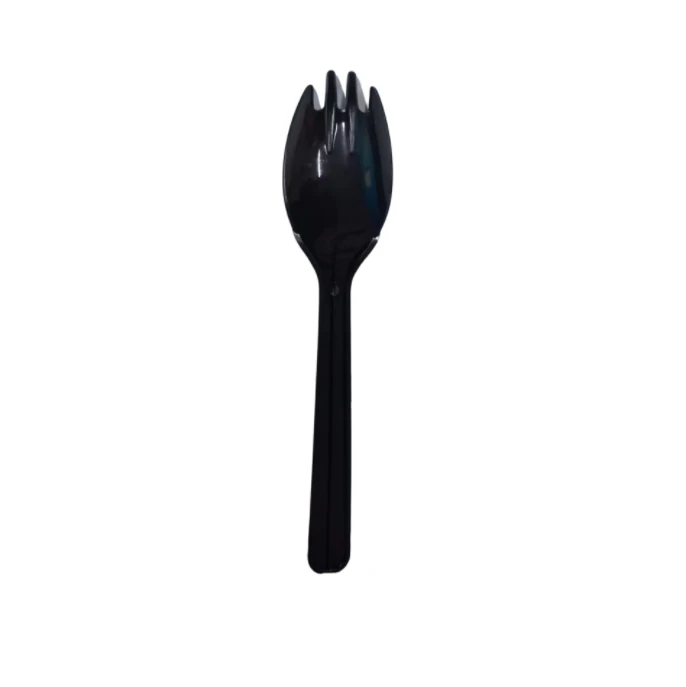
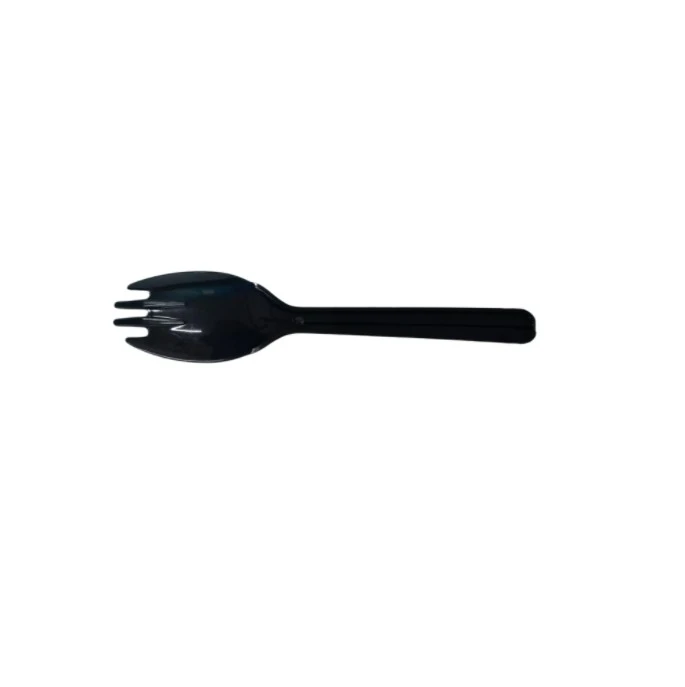
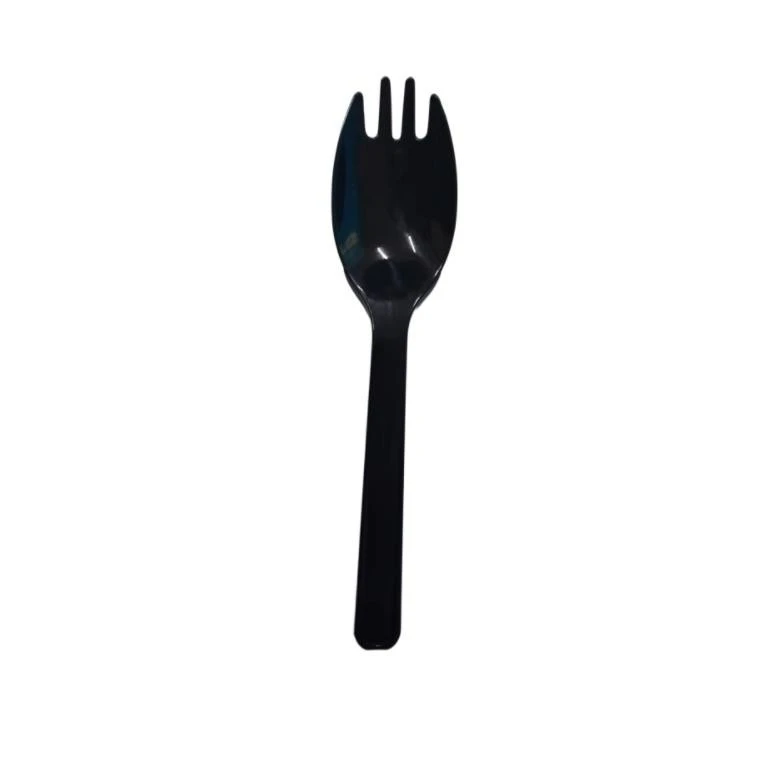
The main materials for disposable plastic forks and spoons are polypropylene (PP) and polyethylene (PE). Especially polypropylene, due to its elasticity, acid and alkali resistance, and high temperature resistance, is a common choice for these products. This makes it an ideal choice for making durable, high-quality, and durable tableware that can withstand daily use.
manufacturing process
Raw material preparation: The first step is to select high-quality polypropylene particles. Then these particles are fed into a plastic extruder, where they undergo a melting process under high temperature and pressure.
Forming: Then, the melted plastic is forcibly passed through a mold or mold, which is precisely designed to shape tableware. The mold includes the external and internal contours of the fork and spoon, ensuring that each piece is accurately formed.
Cooling and Curing: Once the plastic is injected into the mold, it can be cooled and cured. This process ensures that the tableware maintains its shape and structural integrity.
Trimming and finishing: After cooling, remove the tableware from the mold and check for burrs or uneven surface defects. Then, various precision machining techniques are used to repair or smooth these defects to ensure a smooth and hygienic surface.
Cleaning and packaging: Finally, the tableware needs to undergo a thorough cleaning process to remove any residual particles or pollutants. Then, they are packaged in sterile disposable containers and distributed to restaurants, self-service restaurants, and other catering establishments.
Environmental precautions
Although disposable plastic forks and spoons provide convenience, their impact on the environment cannot be ignored. The non biodegradable nature of these products means they will have a significant impact on landfills and marine pollution. To alleviate this problem, some manufacturers are exploring alternative materials such as biodegradable plastics
Made from plant sources such as sugarcane.
Biodegradable alternatives
A promising alternative is to use pulp molding technology. This process involves using plant fibers, such as those extracted from sugarcane, to make wet pulp, and then pressing it into shape. These tableware are completely biodegradable and compostable, greatly reducing their impact on the environment.
conclusion
The production of disposable plastic forks and spoons is a complex process that involves multiple steps from raw material preparation to final packaging. Although these tableware provide convenience, their impact on the environment requires exploring alternative materials and production methods. By adopting biodegradable alternatives and improving recycling, we can alleviate the environmental burden of these disposable items and move towards a more sustainable future.
Hot Tags: disposable plastic fork and spoon, China disposable plastic fork and spoon manufacturers, suppliers, factory, High Quality Laundry Basket, Home Storage Stool, Double Handle Basket, High Quality Food Fork, Debris Storage Bucket, Disposable Dessert Spoon