


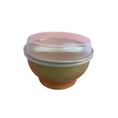


Hey there! As a supplier of Kimchi Can Lids, I've been asked a ton of times about the best way to seal a kimchi can with a lid. It's not just about slapping a lid on and calling it a day. There's a science to it, and I'm here to share all the tips and tricks I've picked up over the years.
First off, let's talk about why sealing kimchi cans properly is so important. Kimchi is a fermented food, which means it's full of live bacteria that are constantly at work, producing gases as they break down the ingredients. If the can isn't sealed correctly, these gases can escape, leading to a loss of flavor and texture. On top of that, an improper seal can let in air and other contaminants, which can spoil the kimchi and make it unsafe to eat.


So, what's the best way to seal a kimchi can? Well, it all starts with choosing the right lid. At our place, we offer a variety of lids to suit different needs and preferences. Whether you're looking for a Round Plastic Cover that fits snugly on your can or a High Quality Plastic Cover that provides an extra layer of protection, we've got you covered.
Once you've got the right lid, it's time to prep the can and the lid for sealing. Start by making sure the can is clean and dry. Any dirt or moisture on the rim of the can can prevent the lid from sealing properly. You can use a clean cloth or paper towel to wipe the rim of the can, making sure to remove any debris or residue.
Next, take a look at the lid. Check for any cracks, chips, or other damage that could affect the seal. If you notice any issues, it's best to use a new lid. You should also make sure that the lid is the right size for the can. A lid that's too big or too small won't seal properly, so it's important to double-check the measurements before you start.
Now, it's time to seal the can. There are a few different methods you can use, depending on the type of lid you're using. For plastic lids, the most common method is to simply press the lid onto the can until you hear a "pop." This indicates that the lid has created an airtight seal. Make sure to press down firmly on all sides of the lid to ensure a tight seal.
If you're using a metal lid, you'll need to use a canning machine or a manual can sealer. These tools are designed to create a tight seal by crimping the lid onto the can. Follow the manufacturer's instructions carefully to ensure that you're using the tool correctly.
Once you've sealed the can, it's a good idea to test the seal to make sure it's airtight. You can do this by gently pressing on the center of the lid. If the lid pops up or down, it means the seal isn't tight enough. In this case, you'll need to try sealing the can again.
Another important thing to keep in mind when sealing kimchi cans is to leave some headspace. Headspace is the amount of space between the top of the kimchi and the lid of the can. It's important to leave enough headspace to allow for the expansion of the kimchi as it ferments. If you don't leave enough headspace, the can could burst or the lid could pop off.
As a general rule, you should leave about 1/2 to 1 inch of headspace in the can. You can use a ruler or a measuring cup to measure the headspace. Once you've added the kimchi to the can, use a spoon or a spatula to level off the top of the kimchi and create a flat surface.
In addition to choosing the right lid and leaving enough headspace, there are a few other things you can do to ensure a proper seal. For example, you can use a rubber gasket or a silicone seal to create an extra layer of protection. These gaskets and seals can help to prevent air and moisture from getting into the can, which can extend the shelf life of the kimchi.
You can also store the sealed kimchi cans in a cool, dark place. This will help to slow down the fermentation process and keep the kimchi fresh for longer. Avoid storing the cans in direct sunlight or in a warm, humid environment, as this can cause the kimchi to spoil more quickly.
So, there you have it! Those are some of the best ways to seal a kimchi can with a lid. By following these tips and tricks, you can ensure that your kimchi stays fresh and flavorful for as long as possible.
If you're in the market for high-quality kimchi can lids, look no further. We're a leading supplier of Canned Fruit Lids and other plastic covers, and we're committed to providing our customers with the best products and services. Whether you're a small business owner or a home cook, we've got the lids you need to keep your kimchi fresh and delicious.
If you have any questions or would like to learn more about our products, please don't hesitate to contact us. We'd love to hear from you and help you find the perfect lid for your kimchi cans.
References
- "The Science of Fermentation" by Sandor Ellix Katz
- "Canning and Preserving for Beginners" by America's Test Kitchen